Are We the First Anglophones to Review the New Restaurant La Rotonde?

August 15th, 2011
Facebook Twitter Linkedin
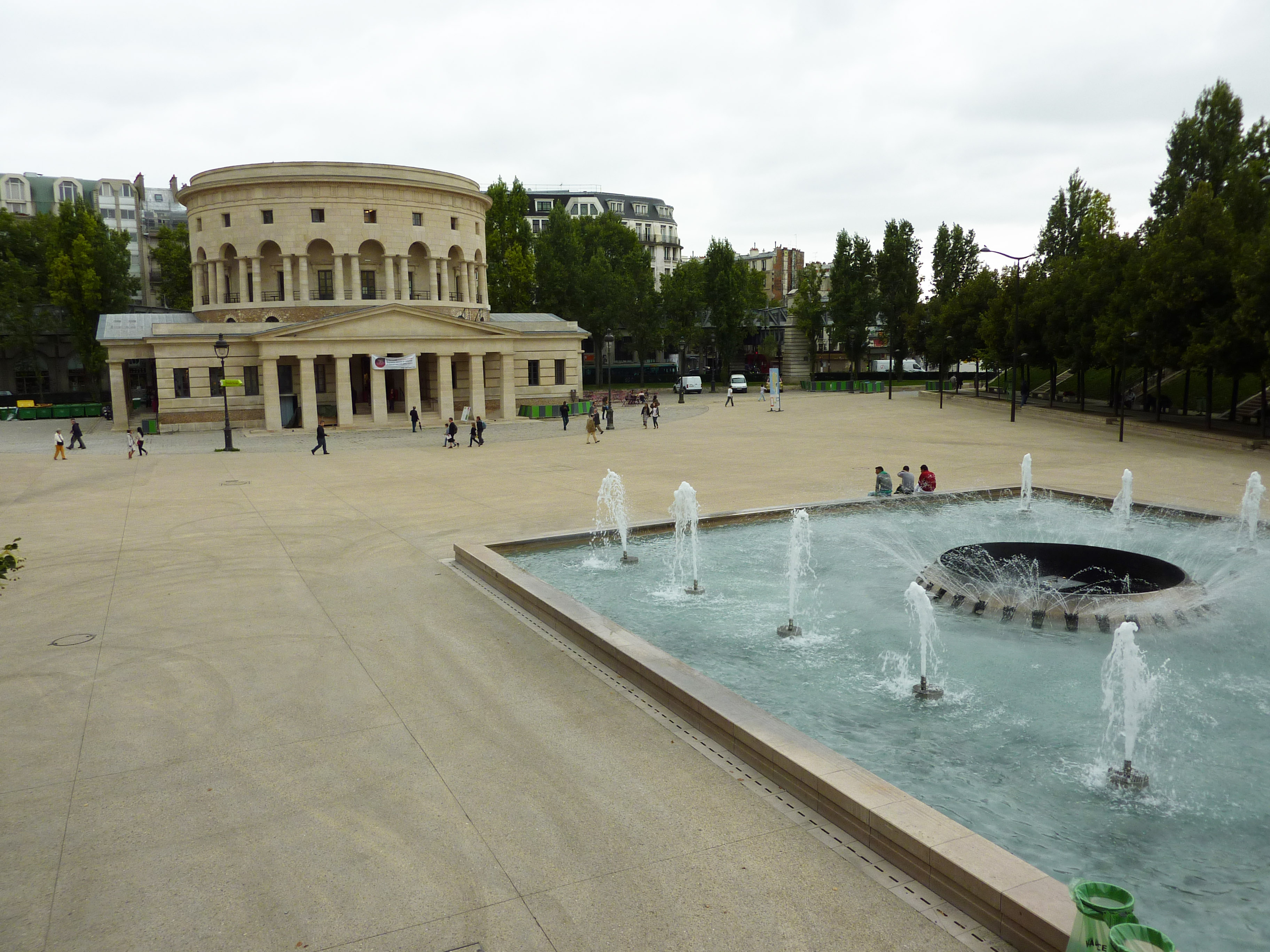
La Rotonde

La Rotonde
Photo by www.DiscoverParis.net

Are we the first Anglophones in Paris to review the new restaurant La Rotonde? We like to think so! While other reviewers are away at summer camp or lounging on the beach, Discover Paris! is here in the city doing what it does best: discovering Paris!

La Rotonde is located in a newly-renovated rotunda that once served to house administrative offices of a tax wall that had been built around Paris.

Read our review at the following link: http://www.parisinsights.com/restaurants.php

.

* * * * * * *

Like our blog? Join us on Facebook!

Exploring African-American History in Paris with Discover Paris!
By Francine Allen, Guest Blogger

August 13th, 2011
Facebook Twitter Linkedin

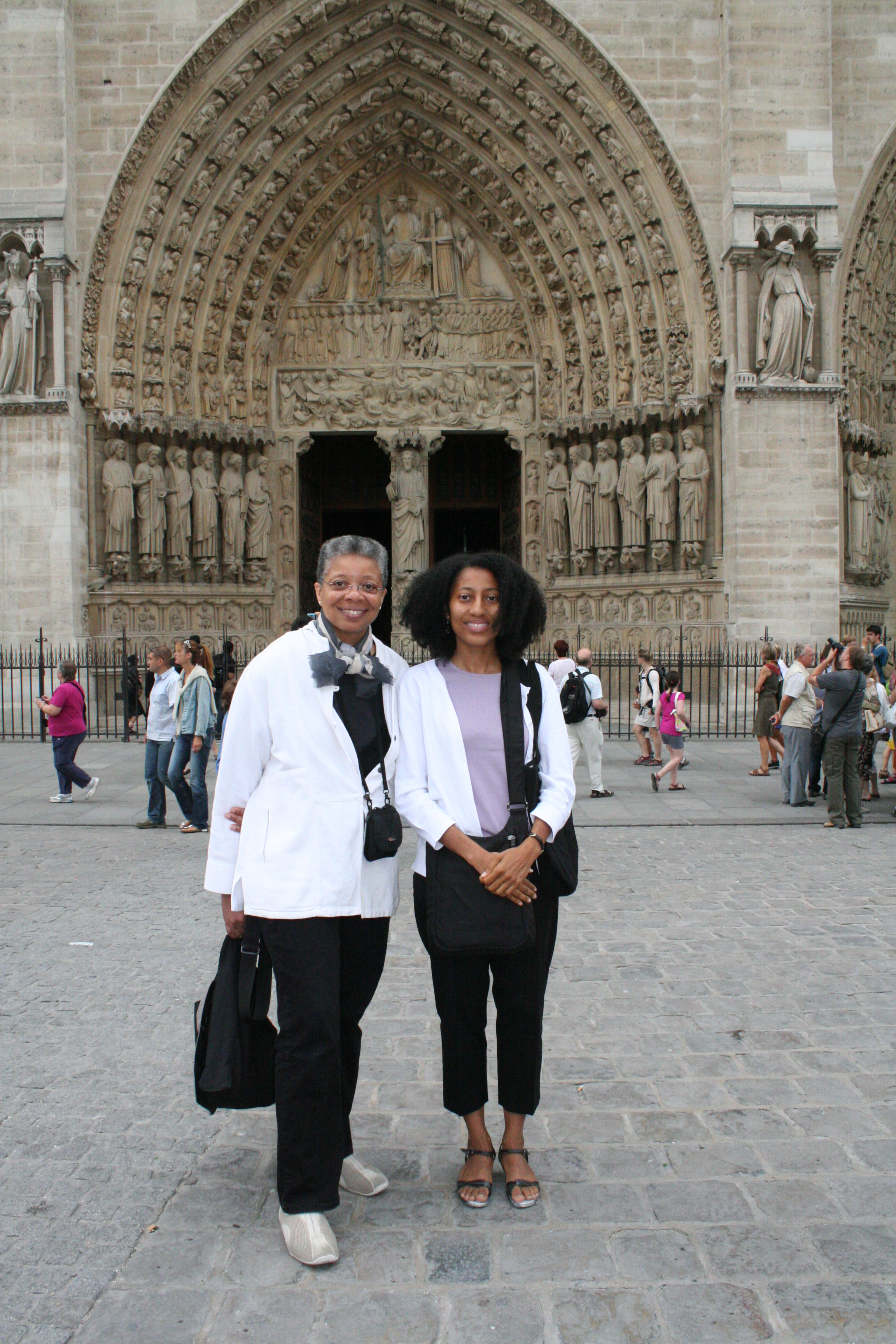
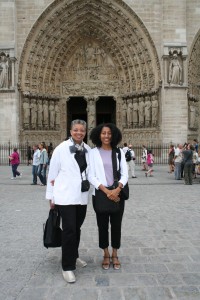
Monique Y. Wells (left) and
Francine Allen (right)
at Notre Dame Cathedral
Photo by www.DiscoverParis.net

The Eiffel Tower scales the sky.

Yet, its height is easily matched by depth—the depth of history held by the city in which it stands: Paris.

The buildings and streets of Paris tell a deep and rich history of the African-American experience, a history that Monique Wells and Tom Reeves of Discover Paris! helped me to discover. Their meticulous tour planning enabled me, as a first-time visitor, to travel with ease throughout Paris, learning of African-American history in a context and setting far beyond the U.S. border.

Touring Paris
Initially, the prospect of using the Paris metro system to tour the City was intimidating, an intimidation compounded by my very limited French-speaking ability. However, when Monique Wells walked with me to the metro station soon after my arrival in the City and showed me how to read the metro maps, her quick lesson in metro map-reading made it possible for me during the remainder of my time in Paris to ride the metro confidentially, visiting all of the tour sites outlined in the personalized schedule that she and Tom helped me design. My confidence and comfort level in Paris were further boosted by the fact that the metro system was only a very short walking distance from the quaint and comfortable hotel that Monique and Tom found and booked for me long before my arrival in the City.

After leaving Paris, I traveled to the southern part of France, to the hilltop village of St. Paul de Vence, where novelist and essayist James Baldwin lived and died. Here again, Discover Paris! made my travel to the village smooth, finding drivers who were both punctual and kind as they transported me between the train station and my hotel in Nice, and later, between the train station and the airport in Paris.

Learning of the African-American Presence in Paris
The ease with which Discover Paris! enabled me to travel throughout Paris and to other areas of France allowed me to focus on my primary purpose for visiting the City—delving into the African-American experience in the City. As Monique revealed in her tour, this experience is wide and deep, with building after building in Paris testifying to the black presence in Paris. There stands, for instance, the Casino de Paris where Josephine Baker performed. Then, among the never-ending array of Paris cafes sits the famous Café de Flore where, in one of its upper rooms, James Baldwin wrote Go Tell It on the Mountain. Along a road running by the cabaret Moulin Rouge arises the residence where Langston Hughes lived briefly. Beyond these buildings, there stand other buildings and areas that testify to the many lesser-known African Americans who also lived in the City, opening businesses in Paris at a time when doing so would have been unheard of in the United States.

This legacy, this historical fact of the black presence in Paris is not merely a matter of history. African Americans are still living and working in Paris, as is the case of novelist Jake Lamar. After Discover Paris! set up an interview for me with Lamar, I learned from this Bronx native who has chosen to make his home in Paris that, for him, one main attraction of the City is the love Paris shows the literary artist, regardless of his or her level of notoriety. This stands in contrast, Lamar says, to the U.S., which tends to give greatest attention to the most acclaimed literary artists.

Understanding the Global Nature of the African-American Experience
In creating a uniquely designed tour for me, Discover Paris! helped me to think of Paris beyond mere stereotypical images. Rather, I came to see how the City itself enriches the study of African-American history in three key ways. First, it reveals the very global nature of the African-American experience and the way in which this experience, in order to be fully understood, must be considered, studied, and explored beyond the borders of the United States. Secondly, the City highlights how the global aspect of the African-American experience includes not only Africa but Europe as well. Finally, the City’s history suggests that the pursuit of freedom continues to characterize the African-American experience, whether that pursuit is prompted as it was decades ago by a desire to escape segregation and Jim Crow or whether it is inspired today by the simple pleasure of freely enjoying life in a nation different from one’s birth.

* * * * * * *

We wish to thank Francine Allen for contributing this article to our blog.

For information about our African-American history in Paris tours, follow this link.

Tourist or Traveler: Is There Really a Difference?

August 11th, 2011
Facebook Twitter Linkedin

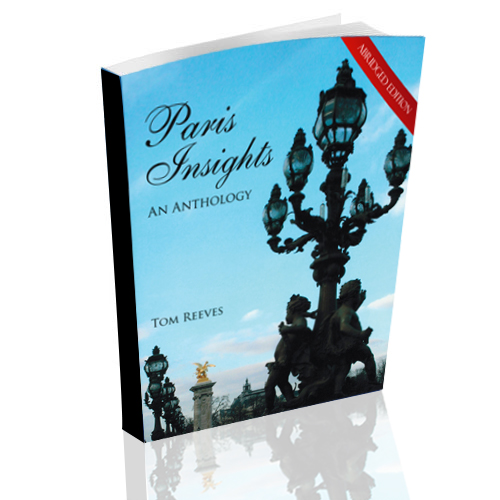
Is there really a difference between a “tourist” and a “traveler,” or is the distinction a superficial, elitist notion? We think that there is a true difference, and we discuss the concept in an essay entitled “Tourist or Traveler” in the abridged edition our book Paris Insights – An Anthology.

And now, for the ridiculously low price of a Tweet, you may download the e-book and read about this and other fascinating things about the Paris that you never knew! Read what is the number one difference between French and American wines in the article entitled “Wining and Dining with Juan Sanchez;” learn about the diversity of worship in the City of Light in the article “Christian Churches in Paris;” and learn why the avenue des Champs-Elysées is an important place in the hearts and minds of Parisians.

Want to learn more about Paris? Click here! (Tourists won’t, we think.)

* * * * * * *

Like our blog? Join us on Facebook!

In This Month’s Le Bon Goût: Sakebar Youlin

August 10th, 2011
Facebook Twitter Linkedin

Kenji Kuribayashi, Chef — Youlin Li, Owner
Photo by www.DiscoverParis.net

Sakebar Youlin is a tiny restaurant located on rue Valette, just down the hill from the Pantheon. We recently dined there and then met the owner and chef to learn more about the inspiration behind the Franco-Japanese cuisine that is served there. Read our review in this month’s Le Bon Goût.

Click here to read a brief summary of the August issue, and here to enter a subscription.

* * * * * * *

We participate in Wanderfood Wednesdays. Head over there to explore food from around the world!

Like our blog? Join us on Facebook!

When East Met West

August 5th, 2011
Facebook Twitter Linkedin

Juldeh Camara (left) and Justin Adams (right)
Photography by York Tillyer
Real World Records Ltd

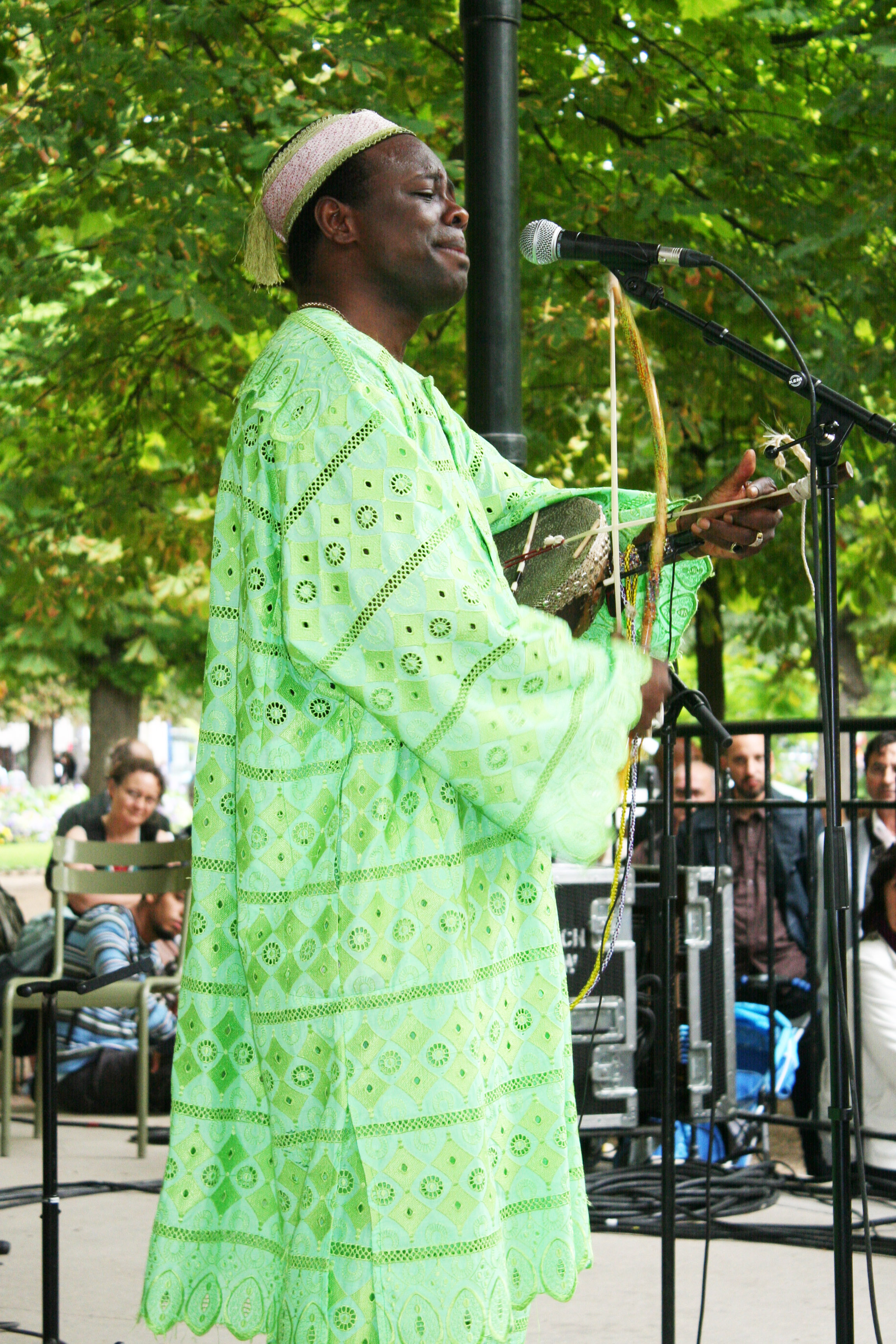
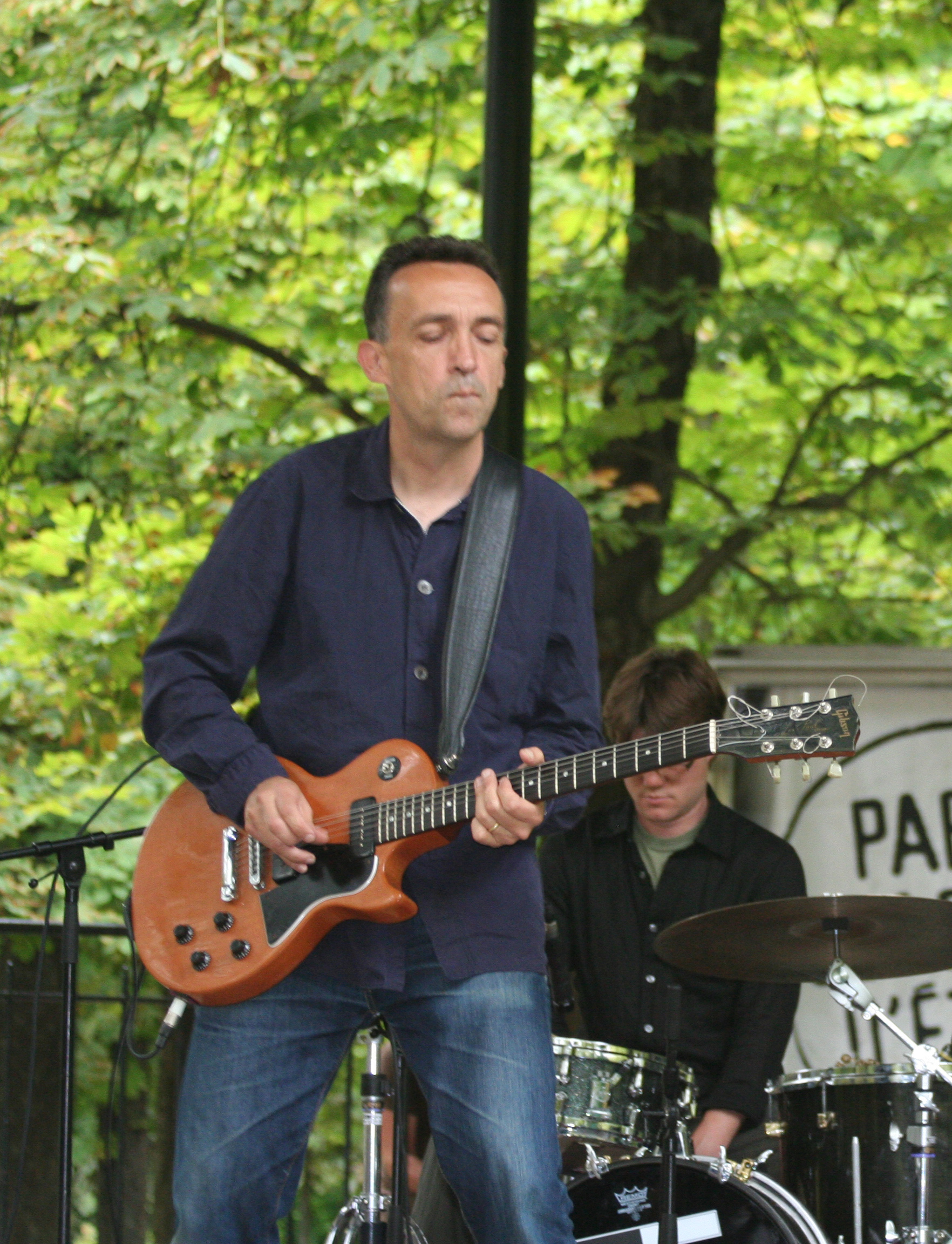
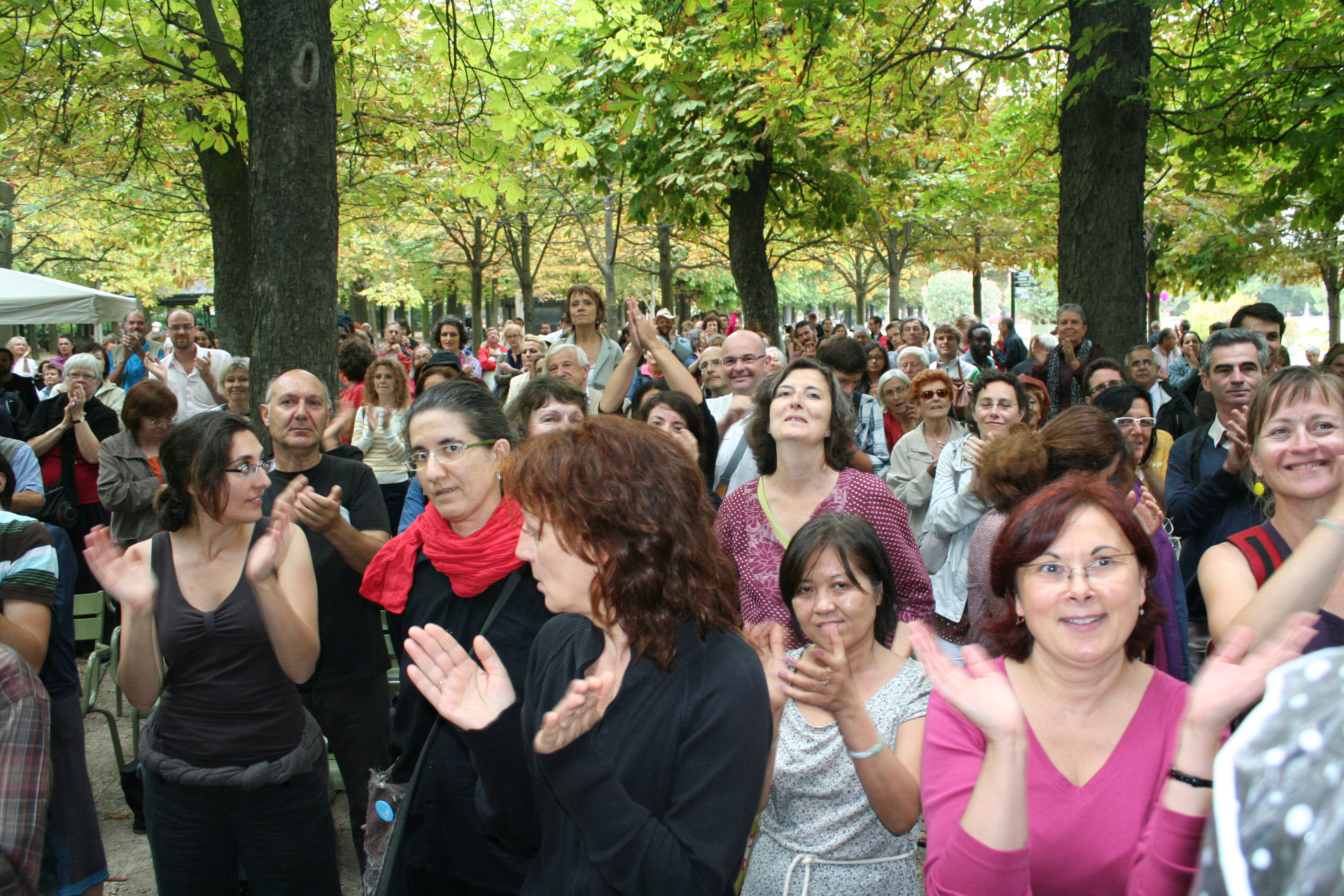
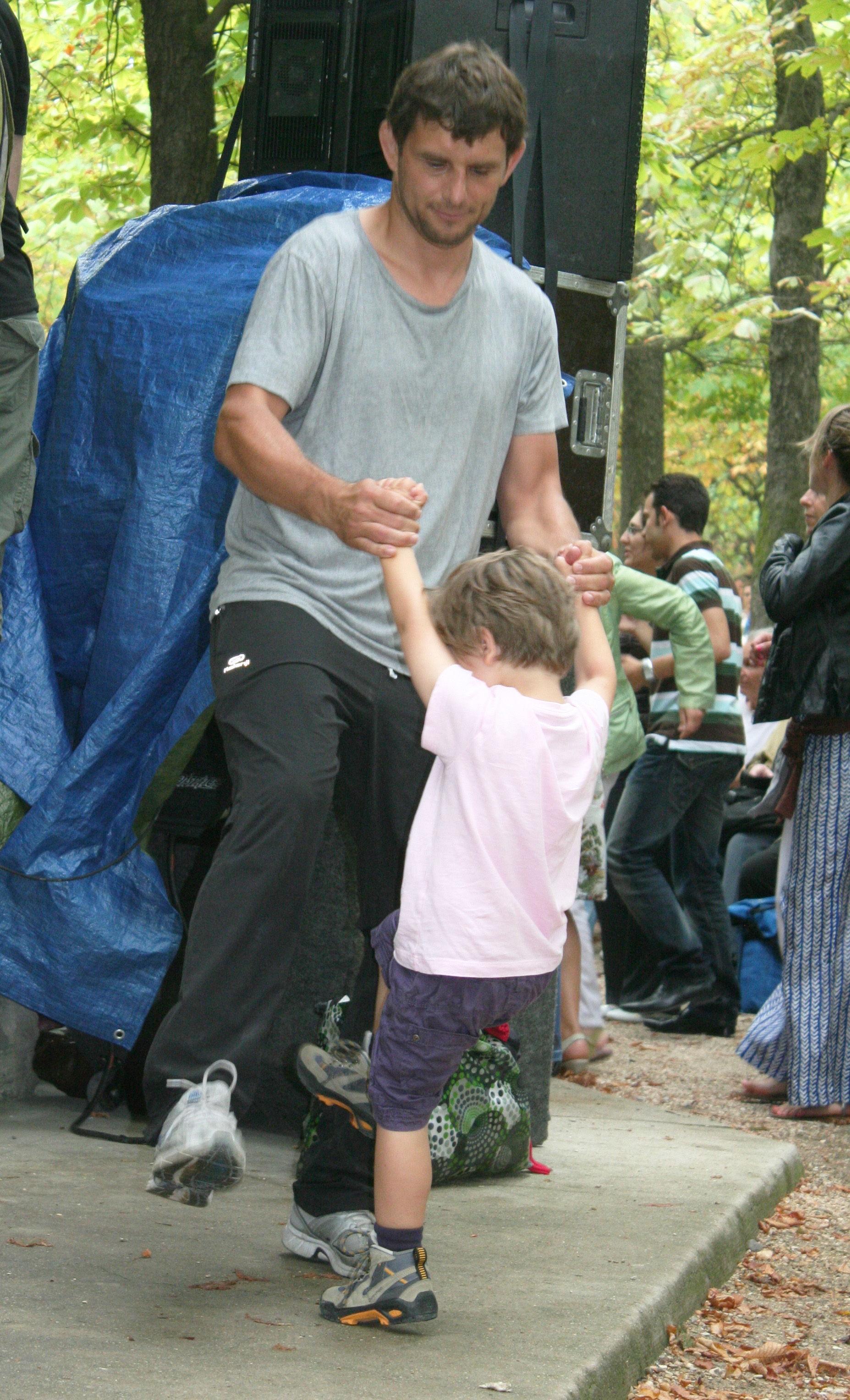
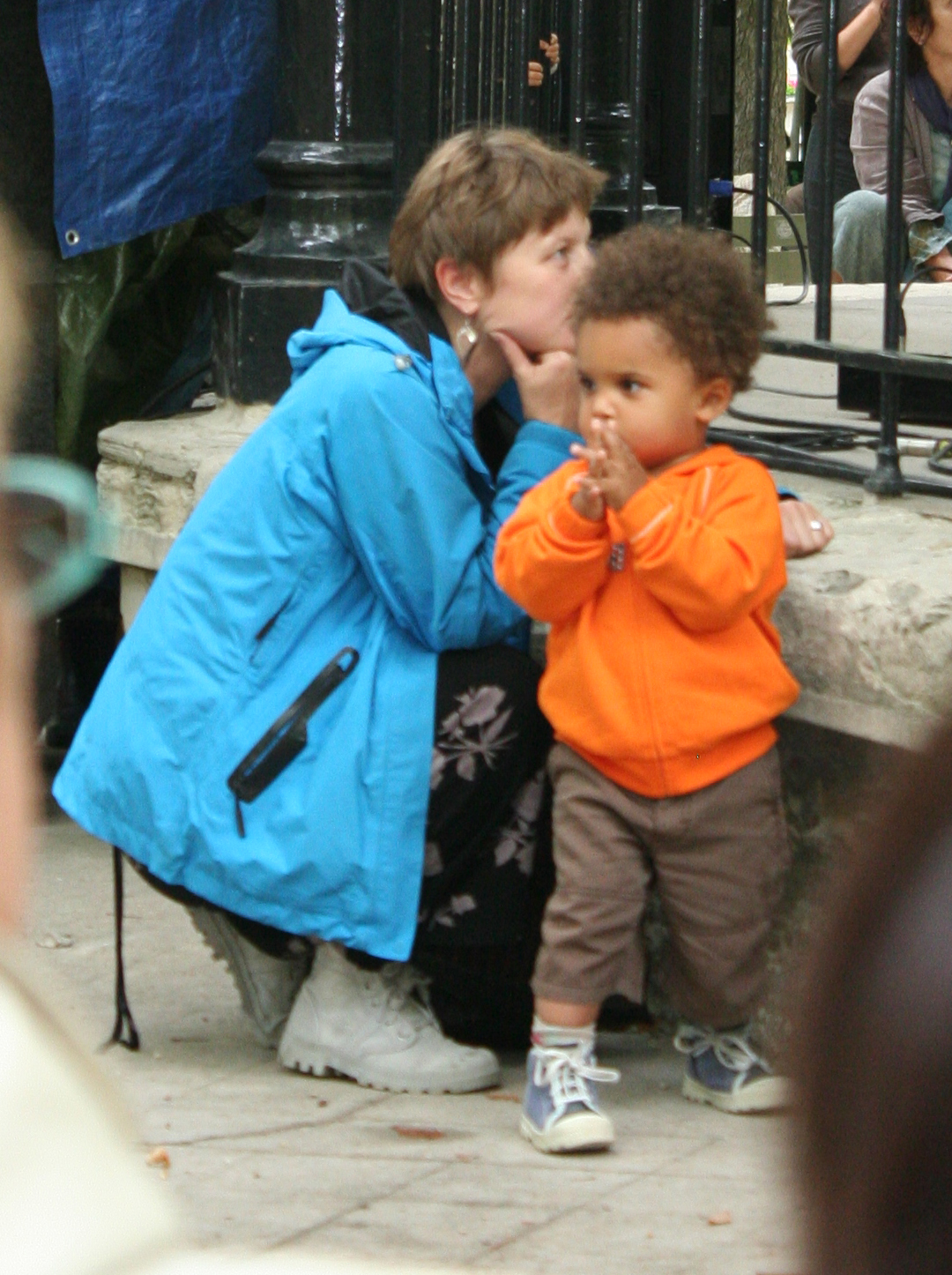
When East met West, there was an explosion of music that brought people to their feet. That is what happened yesterday in the Luxembourg Garden when British rocker Justin Adams and Gambian griot Juldeh Camara performed at the kiosk with bassist William Fuller and drummer David Smith.

Exhorting the audience to “get up and dance,” Adams belted out acid rock and rhythm and blues on his guitar, while Camara responded with his single-string spike fiddle called a ritti. There was improvised call and response throughout the concert, which was a spectacular production of pulse-pounding sounds and rhythms.

The concert is part of a summer program entitled “Paris Quartier d’Ete,” sponsored by the City of Paris.

Adams and Camara will give three more free concerts: this evening at Bercy Village at 7:00 p.m., tomorrow at Jardin d’Eole at 7:00 p.m., and Sunday at Parc de la Butte du Chapeau-Rouge at 6:00 p.m.

Be prepared to get up and dance!

Juldeh Camara
Photography by www.DiscoverParis.net

Justin Adams
Photography by www.DiscoverParis.net

Enthusiastic Audience Responding
Photography by www.DiscoverParis.net

Father and Son Dancing
Photography by www.DiscoverParis.net

Little Boy Clapping
Photography by www.DiscoverParis.net

* * * * * * *

Like our blog? Join us on Facebook!

Breakfast at Le Comptoir des Saint-Pères

August 3rd, 2011
Facebook Twitter Linkedin

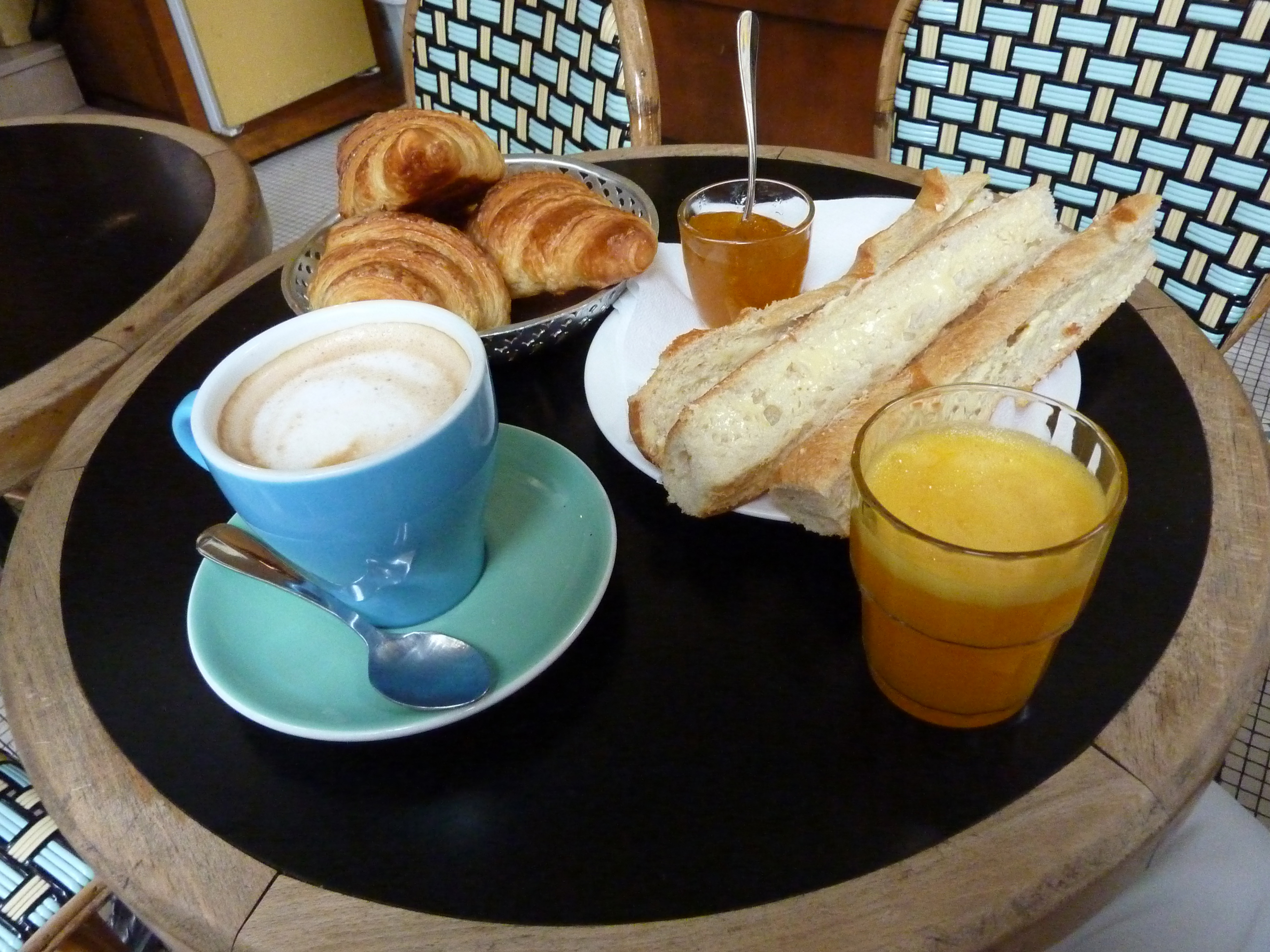
Breakfast at Le Comptoir des Saint-Pères
Photo by www.DiscoverParis.net

As illustrated in this photograph, the standard French breakfast that is served in cafés consists of tartines (buttered bread), croissants, jam, fresh-squeezed orange juice, and coffee. Apart from the orange juice the breakfast is not very nourishing! It is also not cheap: 10.80€ was the price for the petit déjeuner that we had at Le Comptoir des Saint-Pères. (The photograph illustrates three sticks of bread and three croissants because there were three of us at the table.)

Thanks to Doni Belau of Girls Guide to Paris for treating us this morning!

* * * * * * *

We participate in Wanderfood Wednesdays. Head over there to explore food from around the world!

Like our blog? Join us on Facebook!

In This Month’s Paris Insights Newsletter:
When Saint-Germain-des-Prés Was the Center of the World

August 2nd, 2011
Facebook Twitter Linkedin

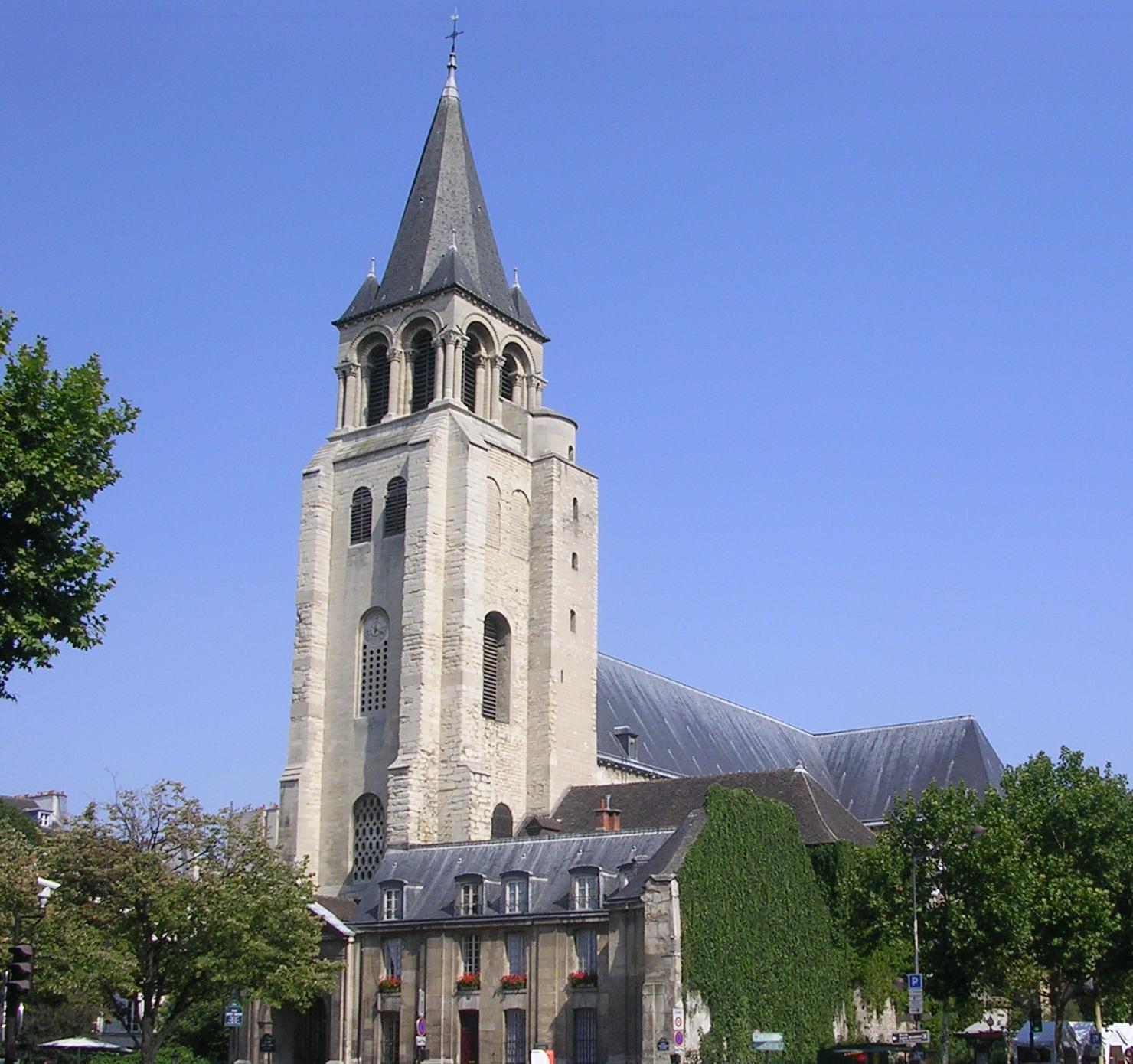
Eglise Saint-Germain-des-Prés
Photo by Howard Morland

From 1945 to 1950, the area bounded roughly by the River Seine to the north, rues du Vieux-Colombier and Saint-Sulpice to the south, rue des Saint-Pères to the west, and rues Mazarine and de l’Ancienne-Comédie to the east was the center of creative and intellectual effervescence that captured the attention of much of Europe and the United States. Our feature article in this month’s Paris Insights newsletter explores this phenomenon and recalls some of the people who were in the forefront of this original movement.

Access to the newsletter is by paid subscription. Click here to view the newsletter announcement. Click here to enter a subscription.

Bonne Lecture!

* * * * * * *

Like our blog? Join us on Facebook!

The Legacy of Napoléon

July 31st, 2011
Facebook Twitter Linkedin

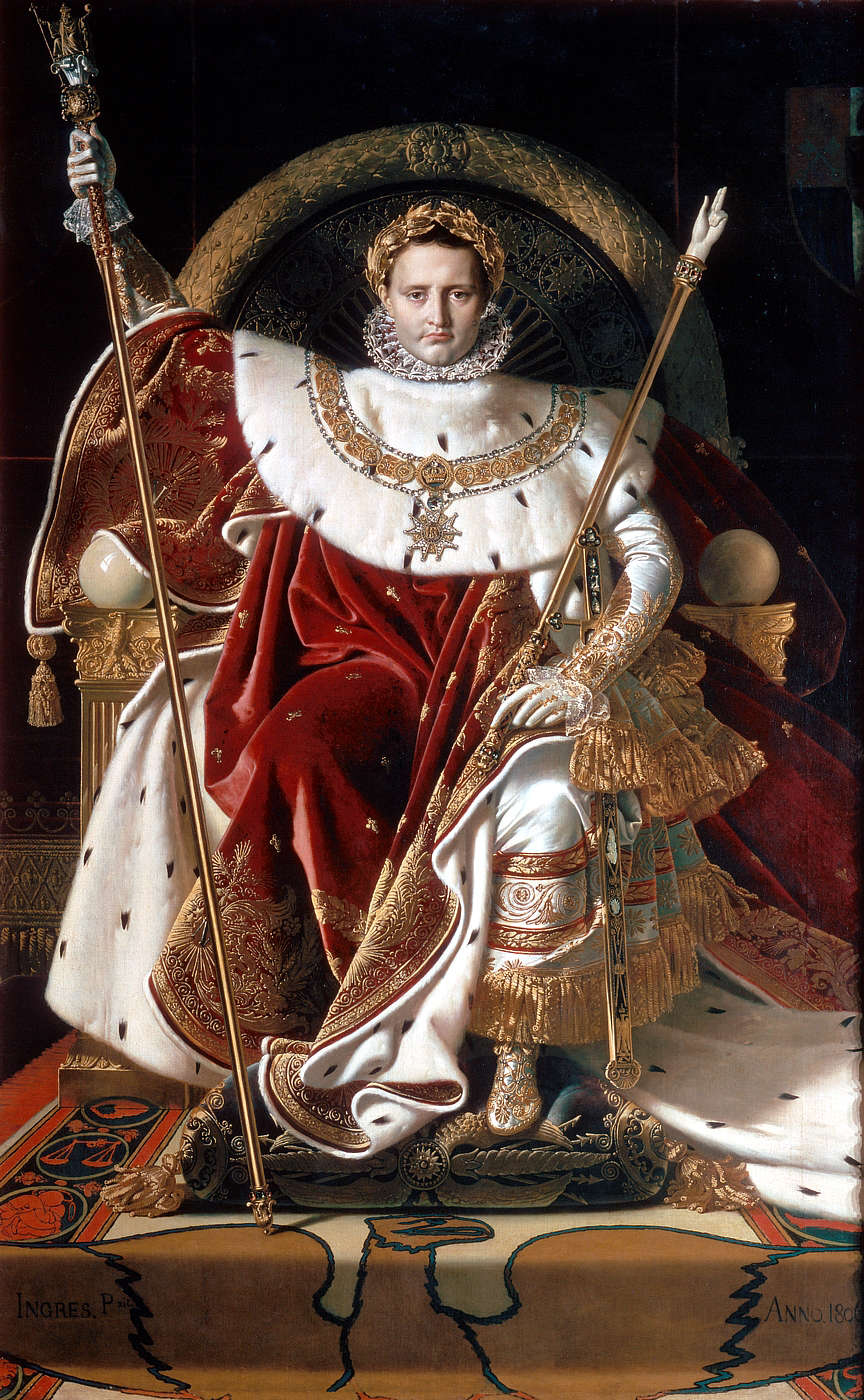
Napoléon on His Imperial Throne
By Jean-Auguste-Dominique Ingres
Source: Wikimedia Commons

Whether remembered as a general, a consul, or an emperor, Napoléon is the most famous Frenchman in the world. On one hand, he is adulated because of his military genius at battles such as Arcola, Rivoli, and Austerlitz (often, his victories were obtained against more numerous enemies) and also because of his political spirit and vision. On the other hand, Napoléon is hated for his authoritarian regime, his incessant military campaigns, which brought about the death of more than a million civilians, and his defeats in Spain, Russia and at Waterloo.

However, one thing is undeniable: Napoléon was a great builder, and this is especially true in Paris. He transformed the city into the “capital of the world,” constructing opulent buildings and modernizing its infrastructure. Even if some of his most monumental works were never completed because of his ultimate defeat at Waterloo, his indelible mark remains very present in the French capital.

When Napoléon came to power in the late 18th century, Paris was a poverty-stricken city. Unlike London, its streets had no sidewalks, and garbage simply accumulated on the ground. Freshly appointed in 1802 as “First Consul for Life,” Napoléon wanted to transform Paris into a real capital. He ordered the construction of 10 km of sewers, sidewalks, bridges, and breakthrough arteries. To stimulate economic activity, he built wharves and warehouses along the riverfront.

Parallel to the construction of infrastructure, Napoléon, as a great lover of antiquity and classicism, wanted Paris to look like a modern Rome. He renovated the Tuileries Palace (demolished in 1883), built the triumphal arch at what is now place du Carrousel, and ordered the construction of the Arc de Triomphe at the top of the avenue des Champs-Elysées. Then, having created new state financial institutions, he built sumptuous buildings to house them: examples include the Orsay Palace (destroyed in 1872) for the state finance auditing agency (called Cour des Comptes) and the Palais Brongniart (still standing) for the stock exchange.

Unfortunately, by 1809, Napoleon’s wars prevented him from completing all of his urban development projects. Military campaigns were expensive, and the state treasury could no longer finance the works. Many building projects that he initiated would only be completed after the end of his reign.

After Napoléon’s death, France erected a number of monuments in Paris to honor him. His tomb at Invalides is among the most impressive.

* * * * *

Walking in the Emperor’s footsteps in Paris is an original way to discover and explore some of the most famous monuments in the French capital. It is also a good way to learn about the life and the social and architectural heritage of a man who, most of the time, is only presented in military context.

For more information about the legacy of this great man, contact Napoleon Tours, a company that specializes in guided public and private tours about the Emperor, at the following link: www.napoleon-tours.com.

Savoring the Sweet Life of Summer in Paris

July 30th, 2011
Facebook Twitter Linkedin

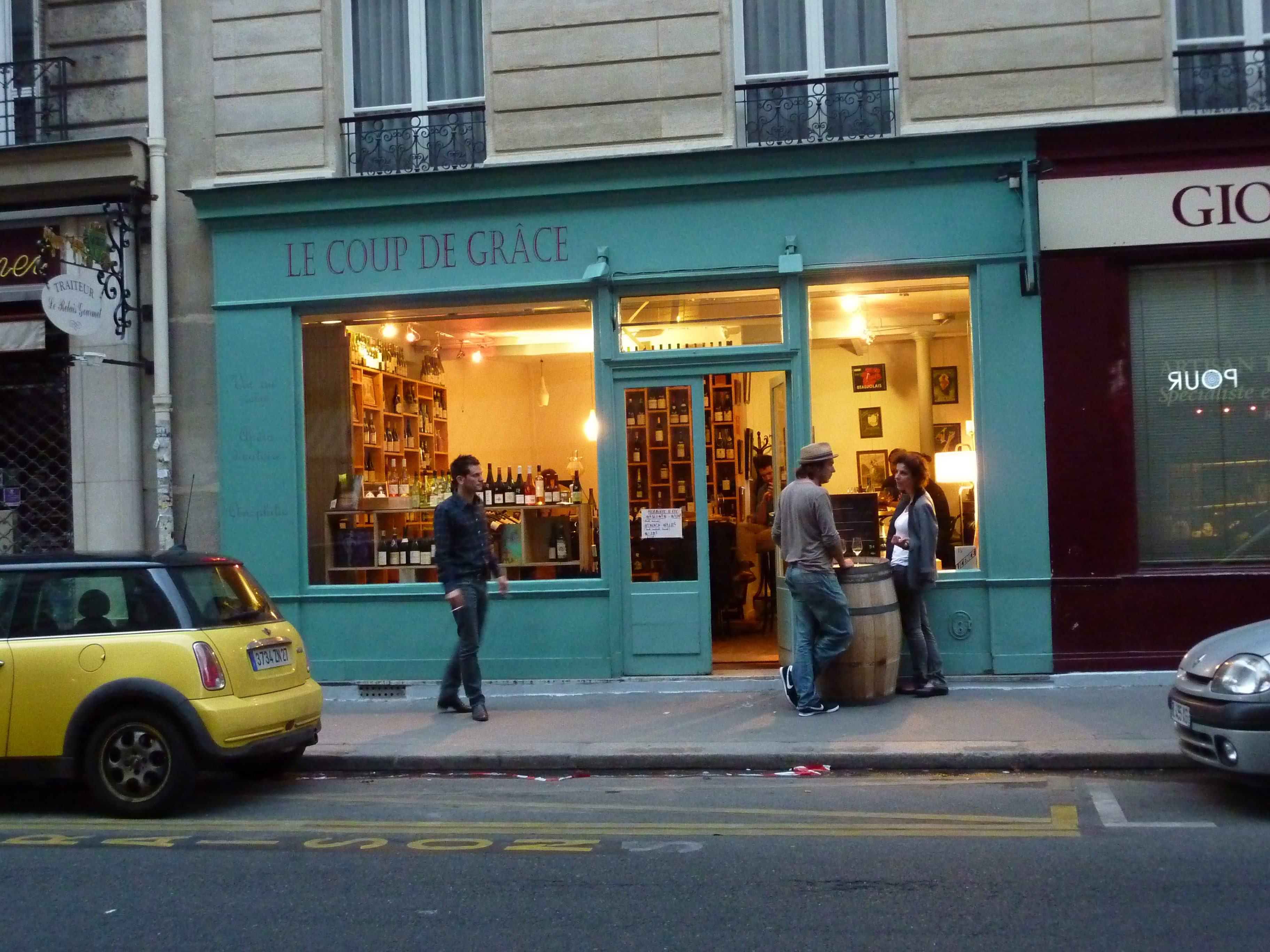
Le Coup de Grâce Wine Bar on Rue Berthollet
Photo by www.DiscoverParis.net

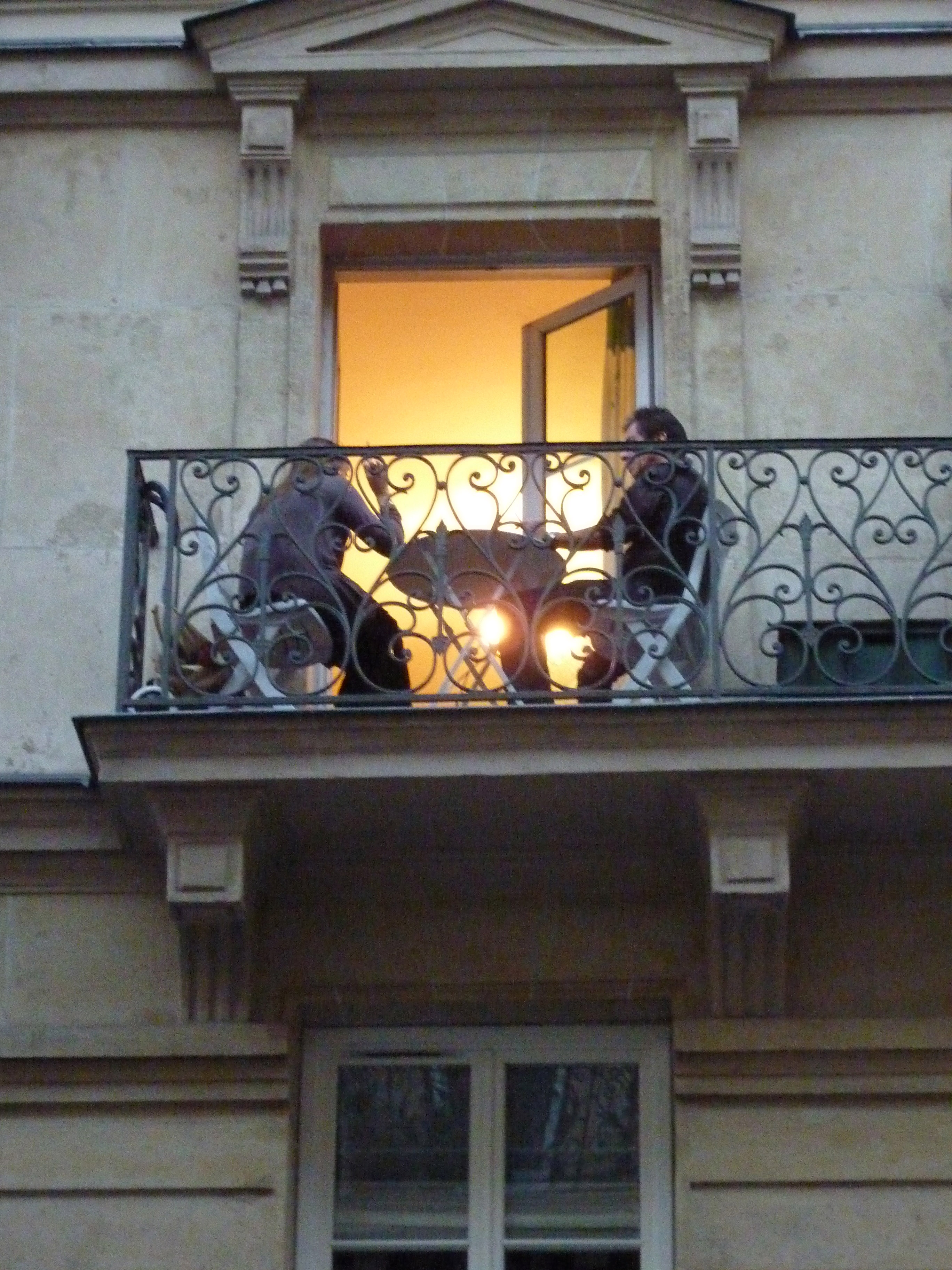
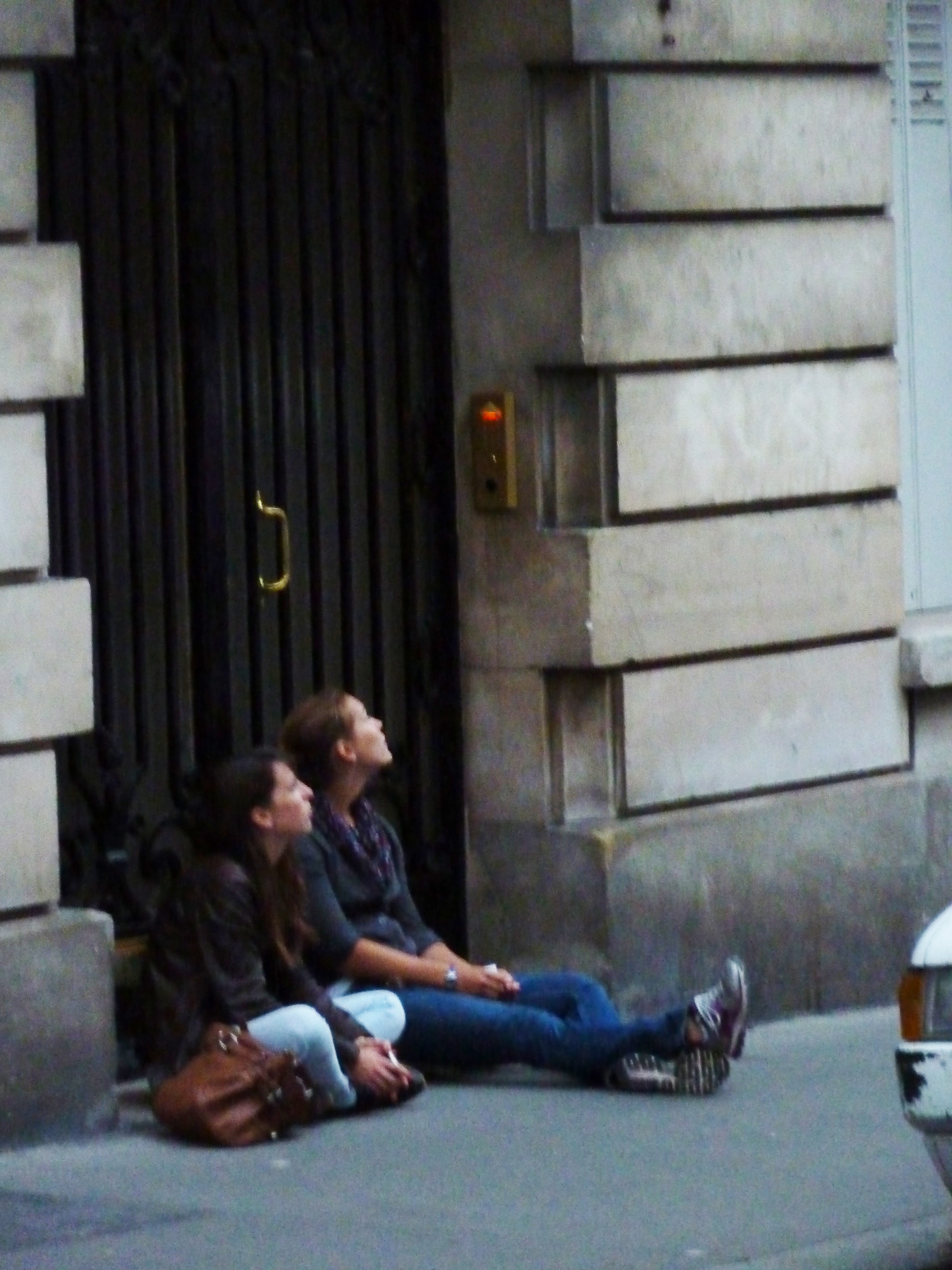
From about mid-July to the end of August, most Parisians go away on vacation. One of our neighbors said that he was leaving the city to spend time in the country “where he could breathe.” Ironically, these few weeks during the summer are the best time to be in Paris, because automobile circulation and pedestrian traffic are greatly reduced.

During this period, people gather in cafés and on sidewalks to savor the brief respite.

Here are some photos of people enjoying the sweet life of summer in Paris.

Sitting on a Balcony
on a Pleasant Summer Evening
Photo by www.DiscoverParis.net

Relaxing on a Summer Evening
on Rue Vauquelin
Photo by www.DiscoverParis.net

* * * * * * *

Like our blog? Join us on Facebook!

Wow!
Don’t Lose Your Head about This,
But It’s Amazing What You Can Get for the Price of a Tweet!

July 29th, 2011
Facebook Twitter Linkedin

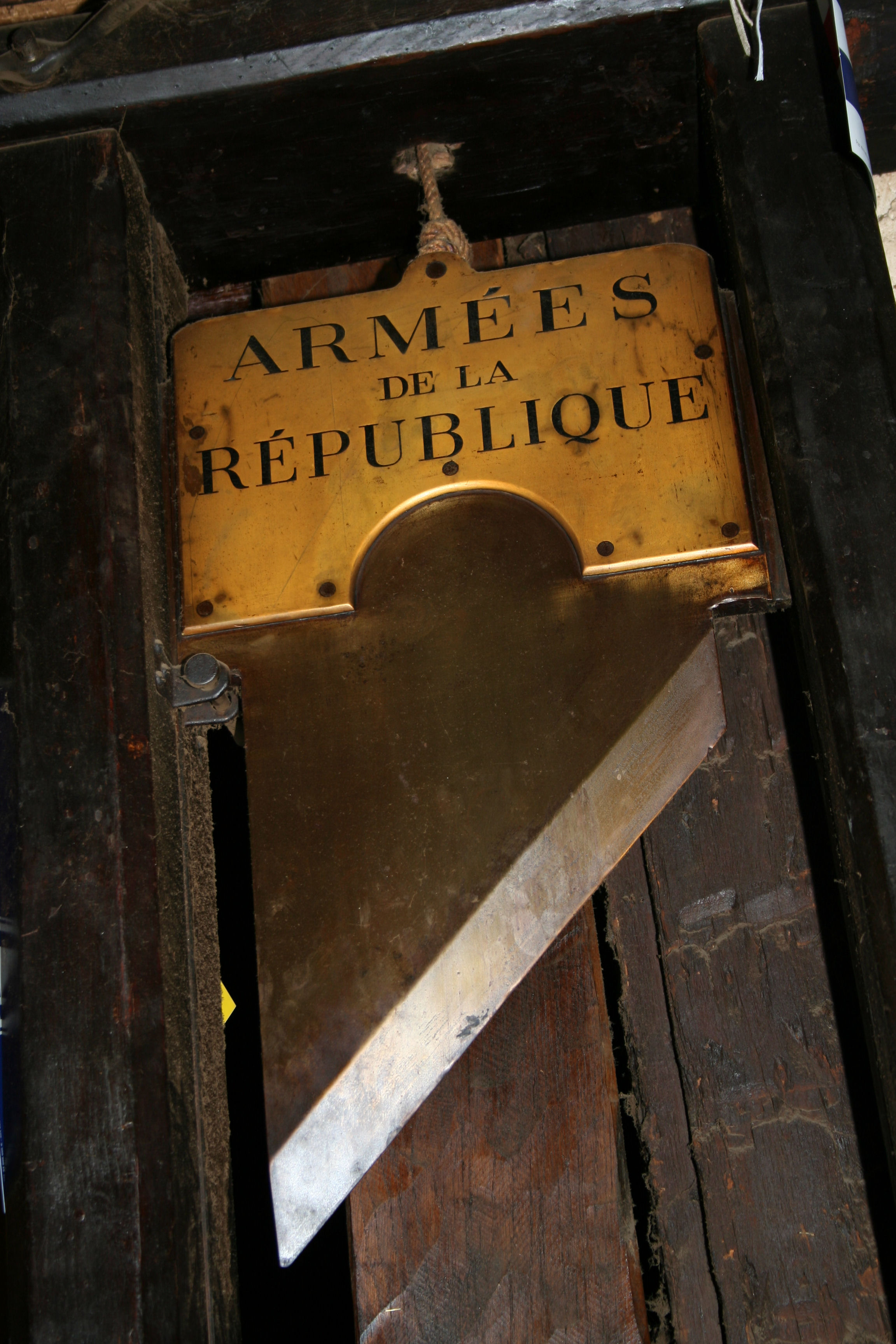
The guillotine in this picture stands against the wall of a bar in Paris. And now, for the ridiculously low price of a tweet, you may download our e-book Paris Insights – An Anthology – The Abridged Edition, and learn the name of the bar in which it can be found.

Read other fascinating things about the Paris that you never knew! Learn what is the number one difference between French and American wines in the article entitled “Wining and Dining with Juan Sanchez;” learn about the diversity of worship in the article “Christian Churches in Paris;” and learn why the avenue des Champs-Elysées occupies an important place in the hearts and minds of Parisians in the article “Les Champs-Elysées – Quintessential Paris.”

Want to learn more about Paris? Click here to download the abridged edition of Paris Insights – An Anthology. It costs no more than the price of a tweet!

* * * * * * *

Like our blog? Join us on Facebook!

Wow!
Don’t Lose Your Head about This,
But It’s Amazing What You Can Get for the Price of a Tweet!