


Mousse Touch – A Beer-Tasting Event

October 21st, 2011
Facebook Twitter Linkedin

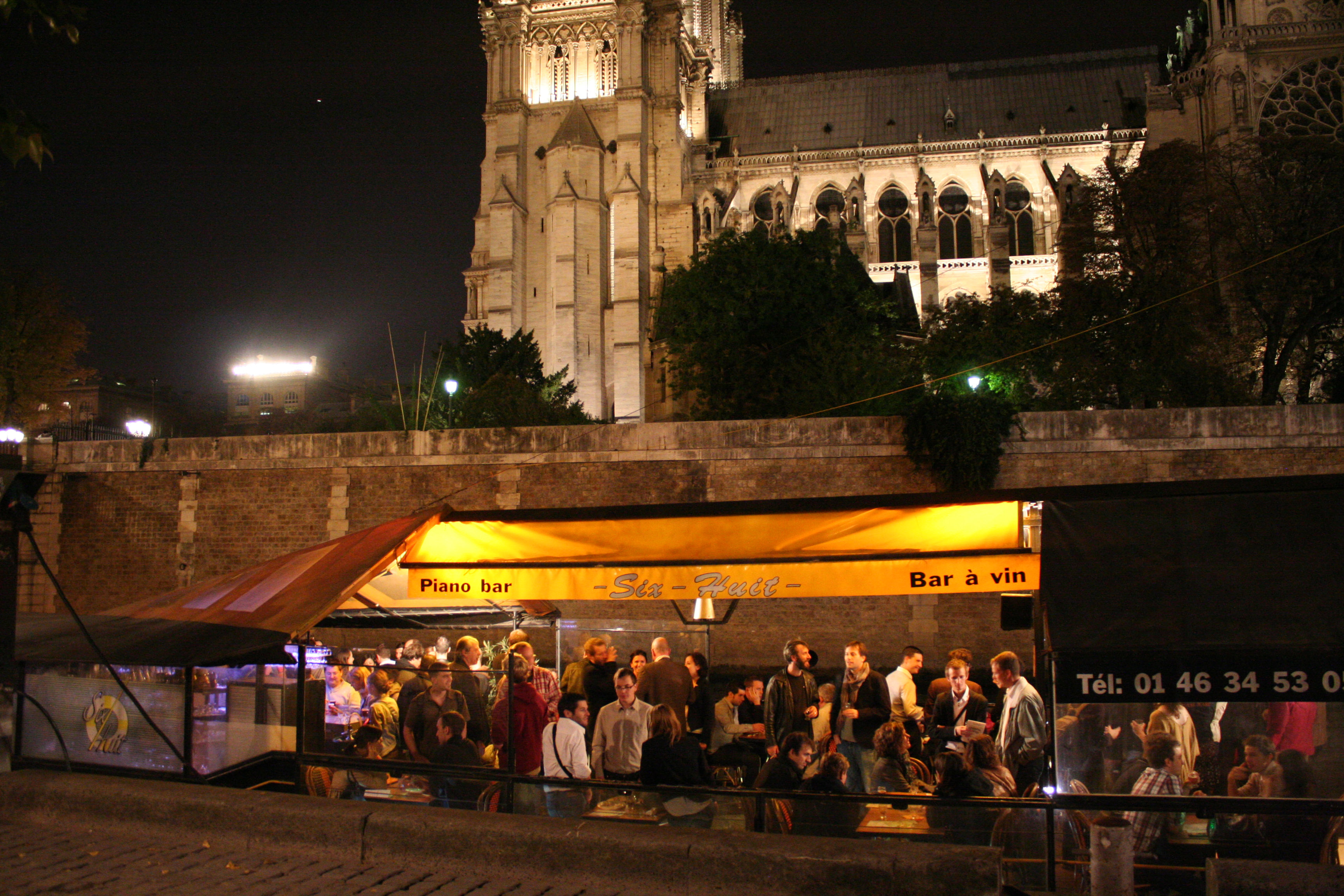
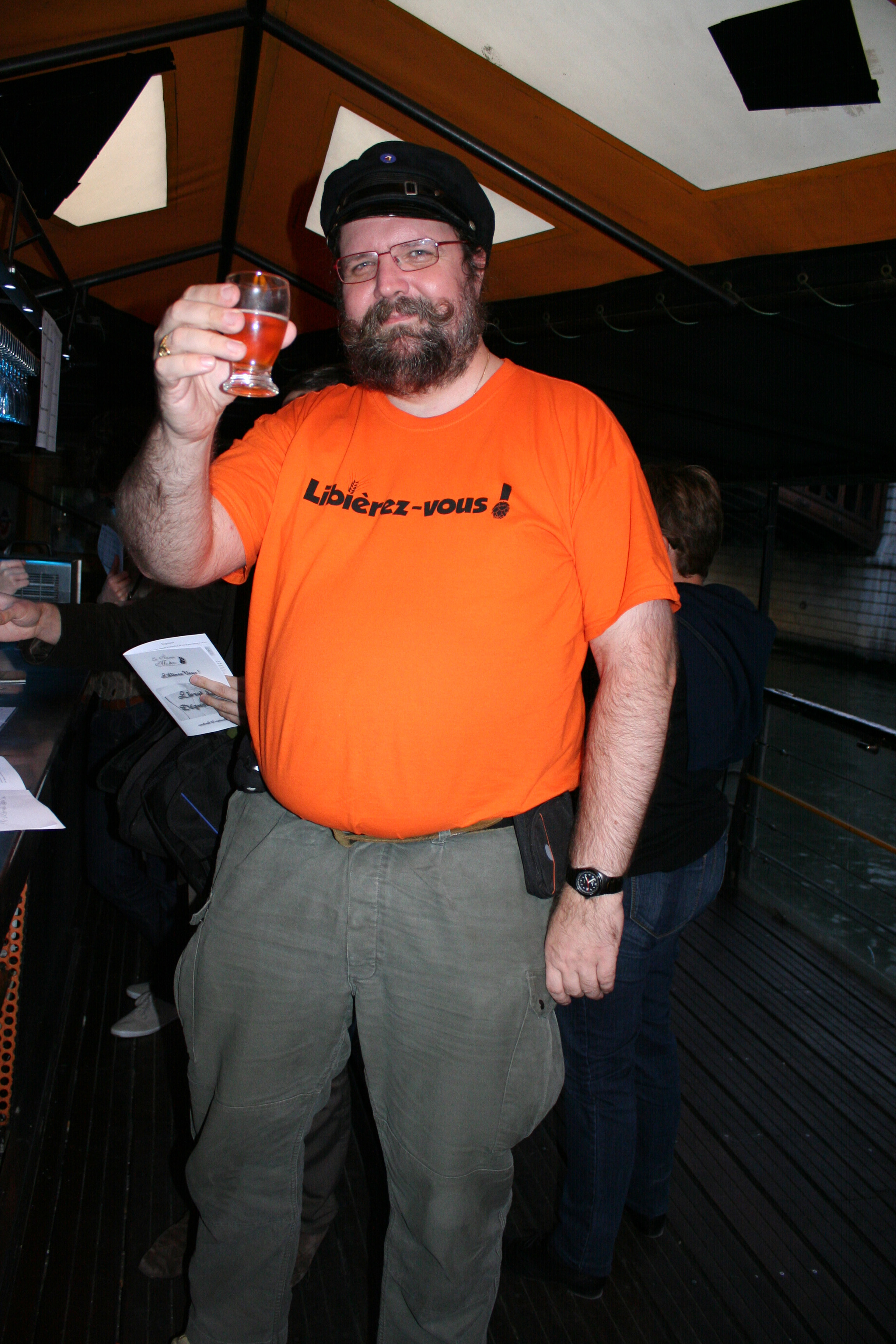
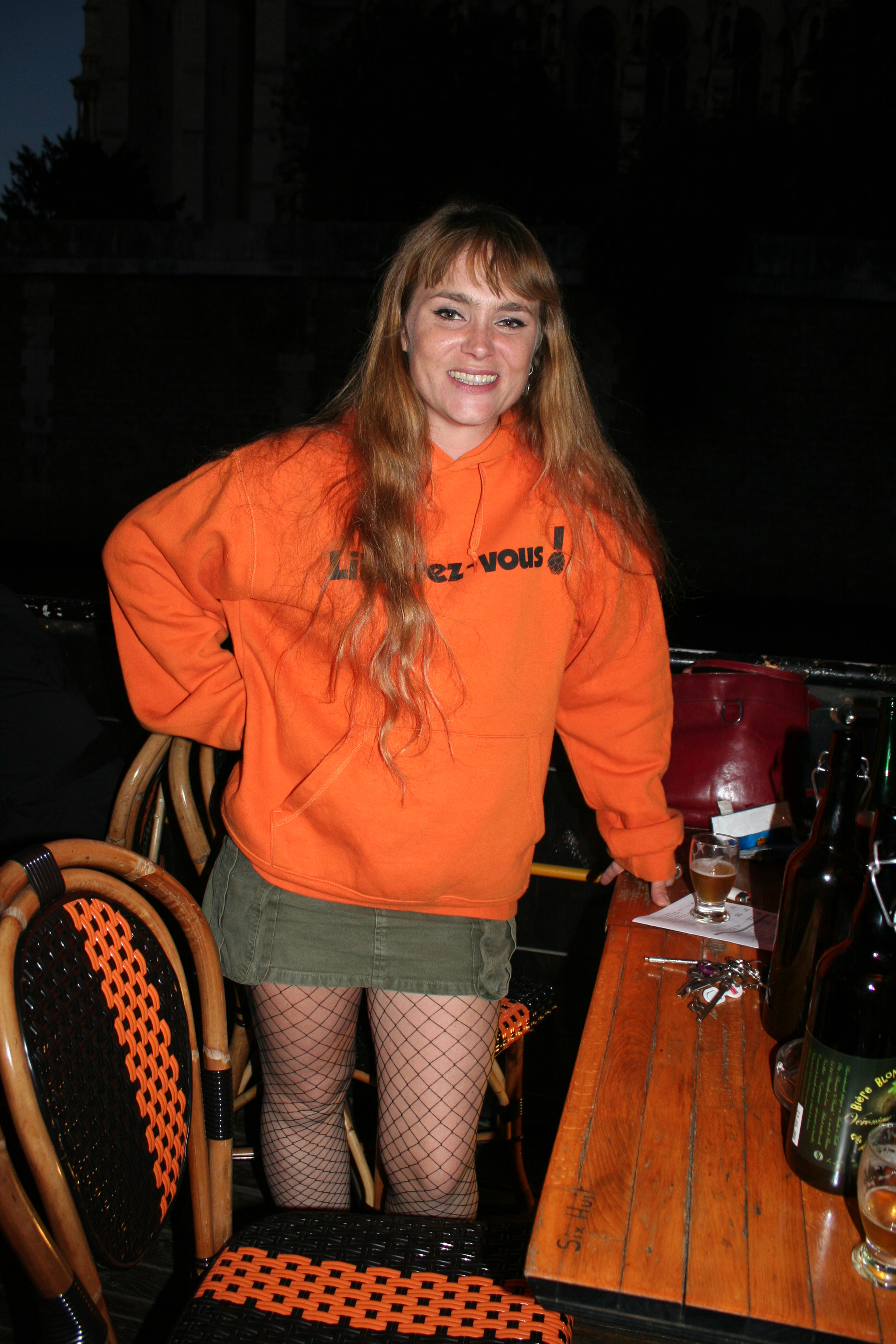
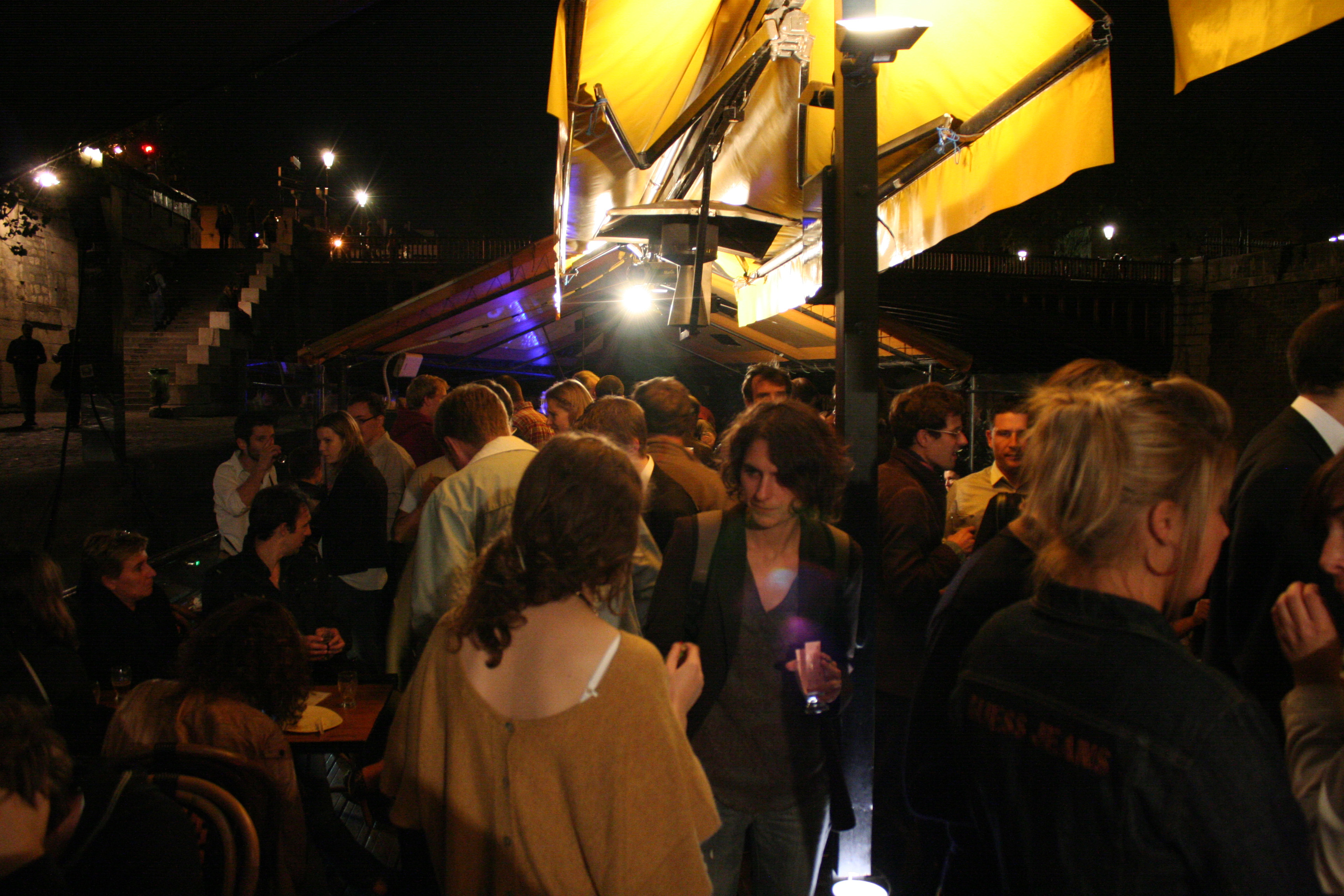
Wednesday night saw a gathering of beer enthusiasts in Paris to taste artisanal beers from Quebec and Ontario. The Canadian brewers were in the city on their way to Strasbourg for the Mondial de la Bière exposition, scheduled to open this weekend.

The event was organized by Elizabeth Pierre, a bièrologue (beer specialist) who is passionate about the brew. Her company is called Mousse Touch.
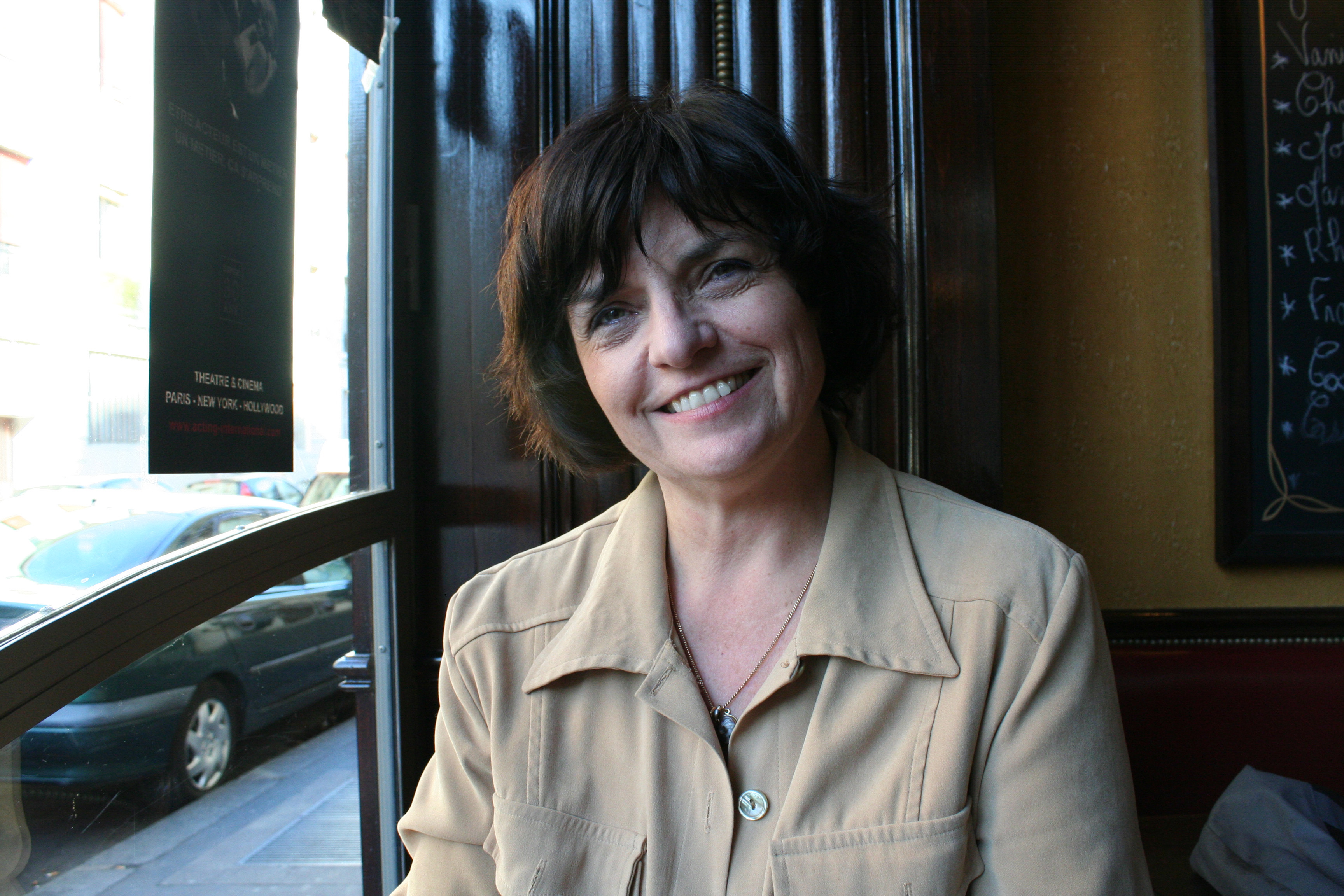
Elisabeth Pierre

Elisabeth Pierre of Mousse Touch
Photo by www.DiscoverParis.net

While the husband-and-wife team from Emperor Norton of Paris moved through the crowd to serve Poutine Chips (old fashioned chips with gravy and cheese powders), Blueberry Pepper Chicken (grilled chicken breast or hearts, served with wild blueberry sauce and “Penja” black pepper), Pea Soup (split pea soup with crème fraîche and a drop of mint olive oil), Nanaimo Balls (little balls of “Nanaïmo” – the famous Canadian dessert – with cookies, coconuts, custard cream, and chocolate flavored with stout ale), and Maple Bacon Popcorn (popcorn glazed with maple syrup and bacon bits), enthusiasts went from booth to booth to taste craft beers.
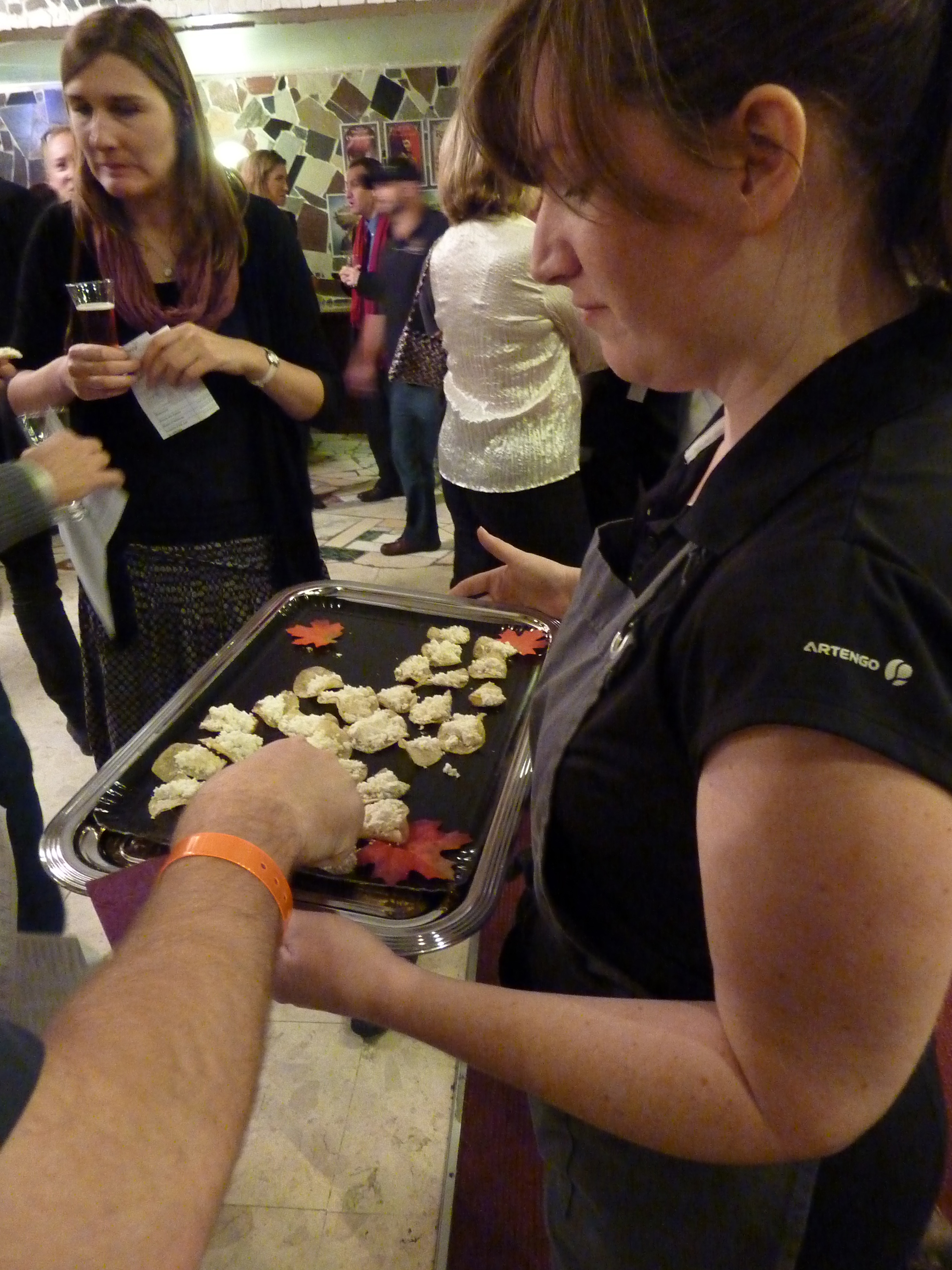
Alanna McPherson

Alanna McPherson
Emperor Norton of Paris
Photo by www.DiscoverParis.net

Omid Tavallai

Omid Tavallai
Emperor Norton of Paris
Photo by www.DiscoverParis.net

I tried Aphrodisiaque, a beer brewed with cocoa and vanilla beans by Dieu du Ciel in Saint-Jérôme, Quebec. It is a dark beer with the sweet fragrance and mild taste of cocoa. I enjoyed this one.
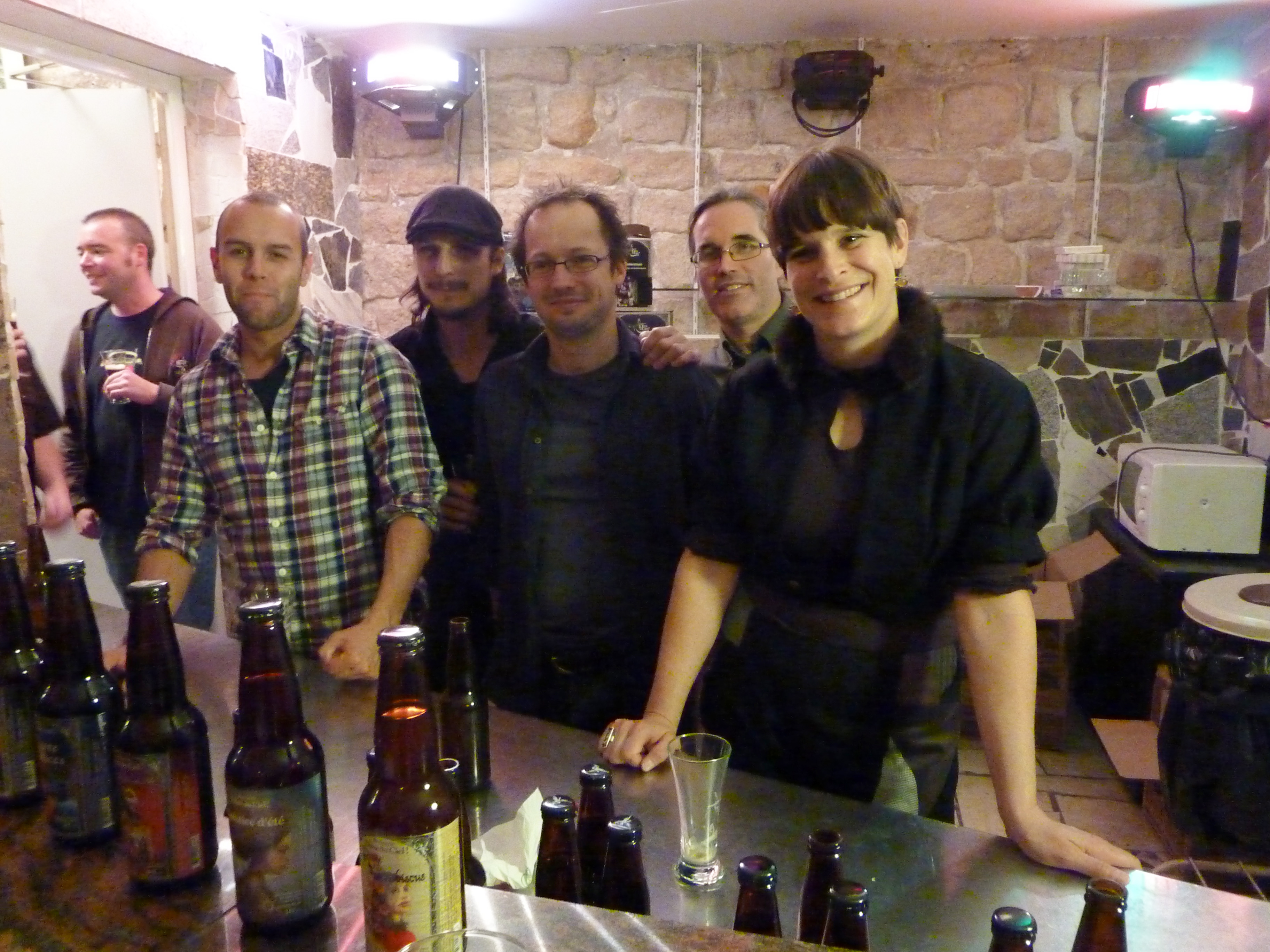
Dieu du Ciel

Dieu du Ciel
From left to right:
Etienne, Luc, Stephane, Jean-François, Isabelle
Photo by www.DiscoverParis.net

Sticking to the cocoa theme, I moved on to La Noire Soeur, a stout brewed by Le Grimoire in Granby, Quebec. This one disappointed me. It had a thin mouth-feel and a sour taste. The foamy head disappeared rather quickly. The company’s Web site does not list the ingredients, but I believe that the bartender told me that cocoa is one of them.

Le Grimoire

Le Grimoire
Sébastien Dancause (left)
Steve Dancause (right)
Photo by www.DiscoverParis.net

Then I tried Vache Folle Milk Stout, brewed by Charlevoix in Charlevoix, Quebec. I was intrigued by the idea that the beer is sweetened with lactose. I found it to be spicy with a slight chocolate taste.

I summoned up my courage and tried Corps Morts (translation: Dead Bodies), brewed by A l’Abri de la Tempête in L’Etang-du-Nord, Quebec. With 11% alcohol, it is quite strong for beer. Called a “barley wine,” it tasted sweet, with a sharp aftertaste and a strong odor of malt.

I then tried the Lug Tread Lagered Ale, the award-winning, flagship beer of Beau’s in Vankleek Hill, Ontario. Lug Tread is top fermented (like ale) and then cold aged (like lager) for a lengthy period. The notes on the information sheet indicate that it is a Pilsner with roasted wheat. I found its taste to be sharp and bitter—not as mild as I would have expected a wheat beer to be.

Finally, I tasted a Demory-Paris Roquette Blanche, a beer with a Parisian name that is brewed in Germany. It is not clear to me whether this beer qualifies as artisanal, but I found its flavor balanced and refreshing.
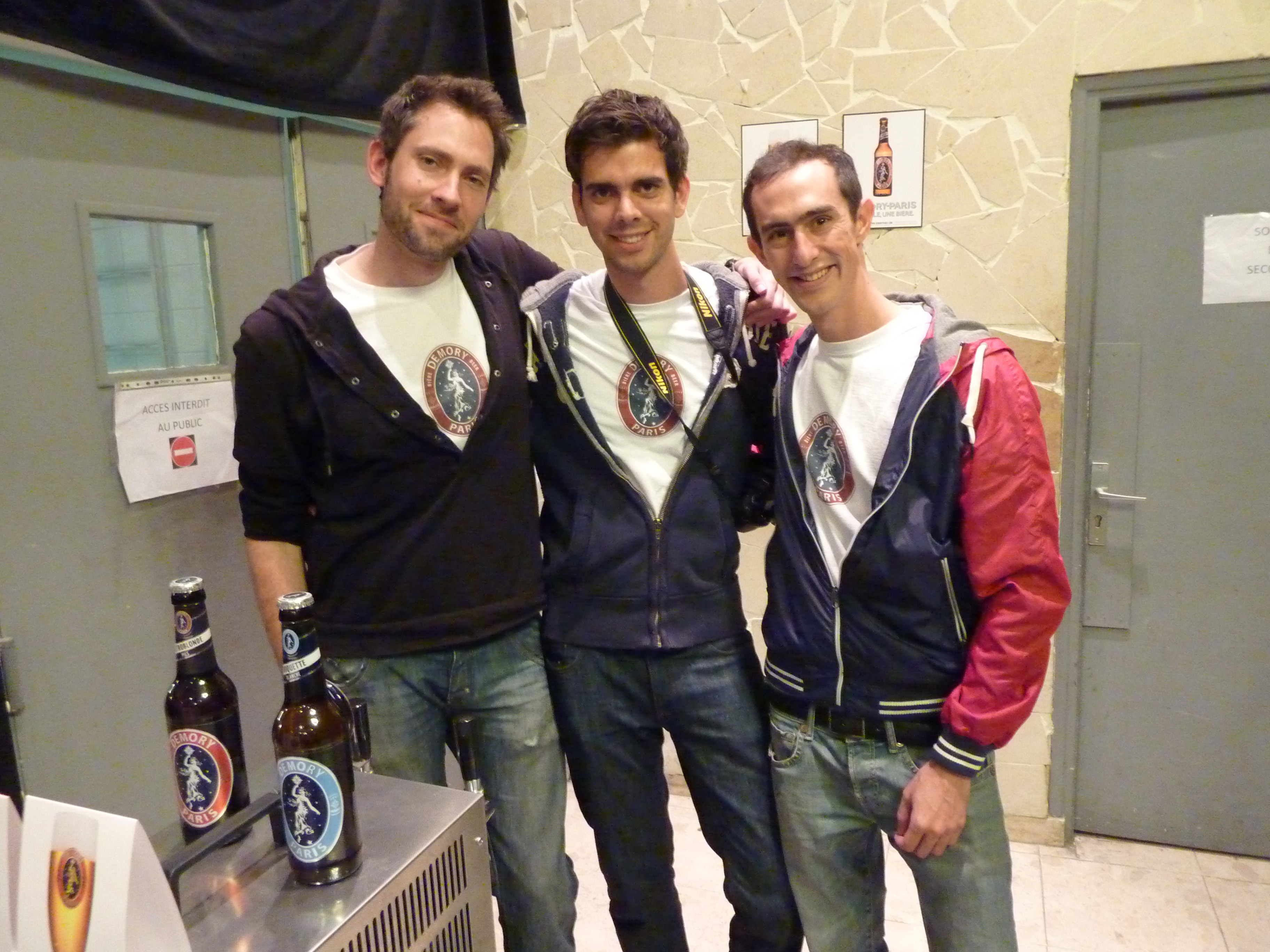
Demory-Paris

Demory-Paris
From left to right:
Kai Lorch, Romain Soulard, Jonathan Kron
Photo by www.DiscoverParis.net

Kudos to Elisabeth for her initiative in bringing all of these brewers together for a night of beer tasting in Paris!

More pictures:
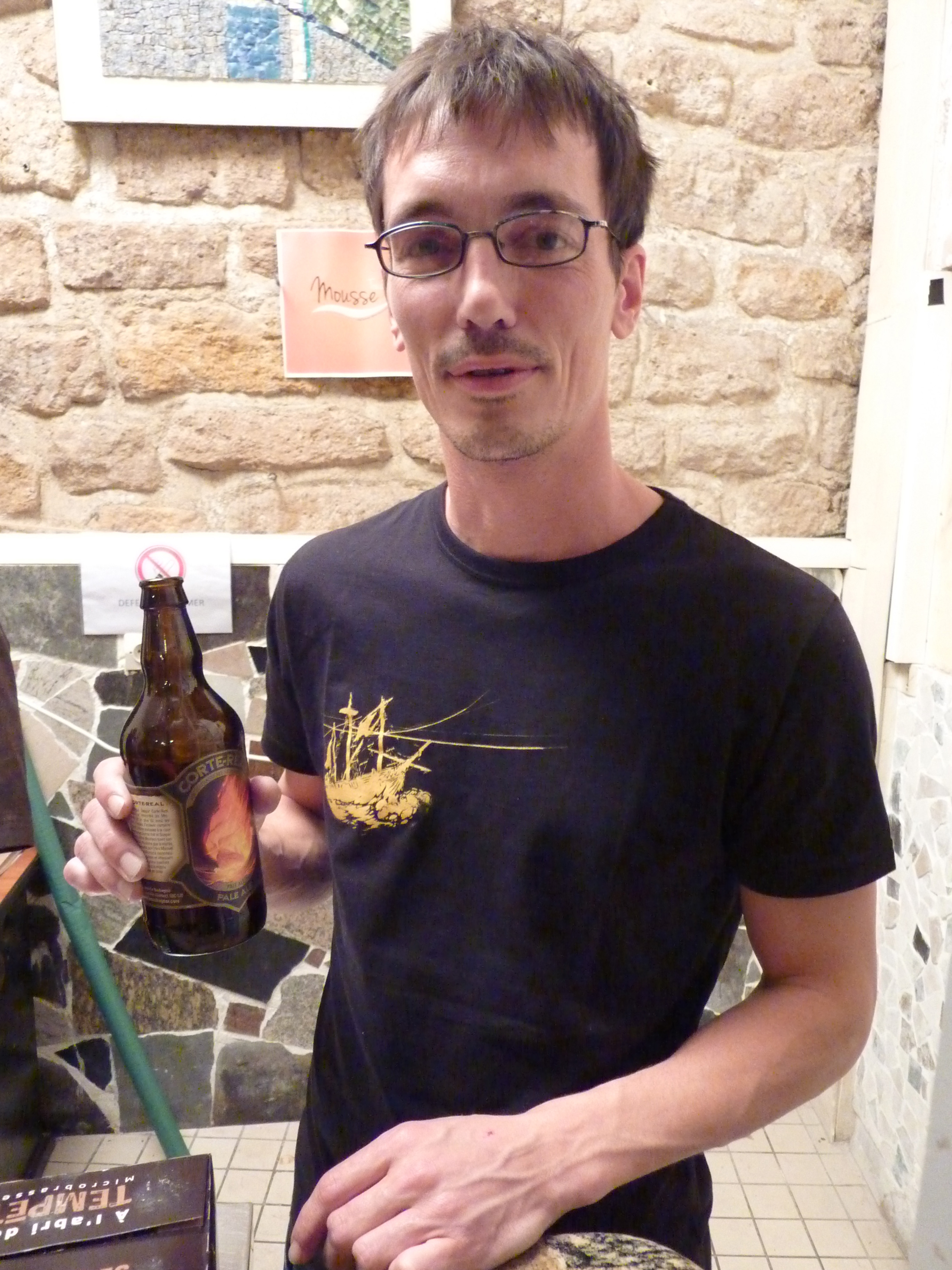
Philippe Gauthier - Le Naufrageur

Philippe Gauthier of Le Naufrageur
in Carleton, Quebec
Photo by www.DiscoverParis.net
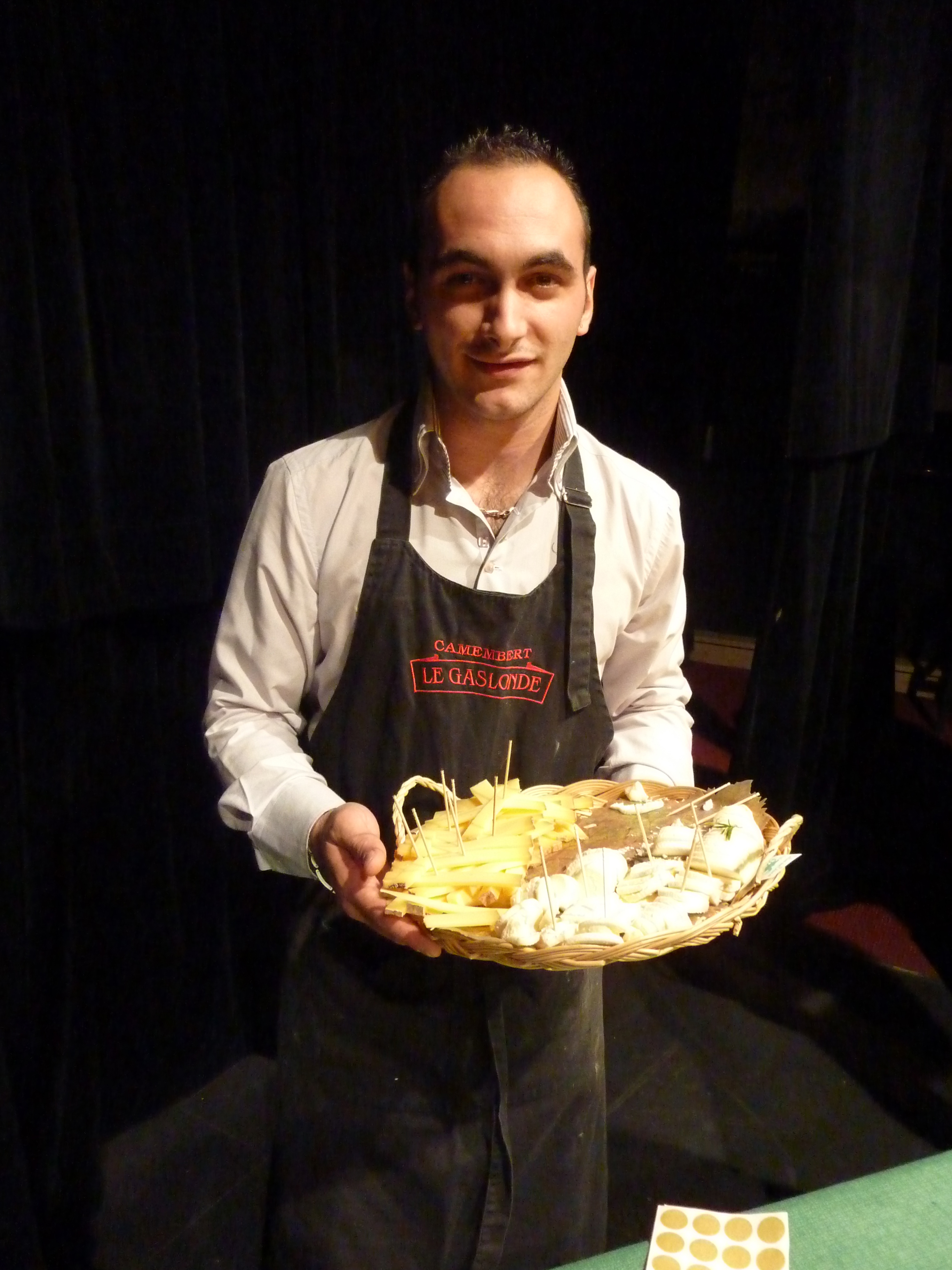
Sébastien Ghiotto - Chez Polette

Sébastien Ghiotto of Chez Polette
in Fontenay-aux-Roses
Photo by www.DiscoverParis.net
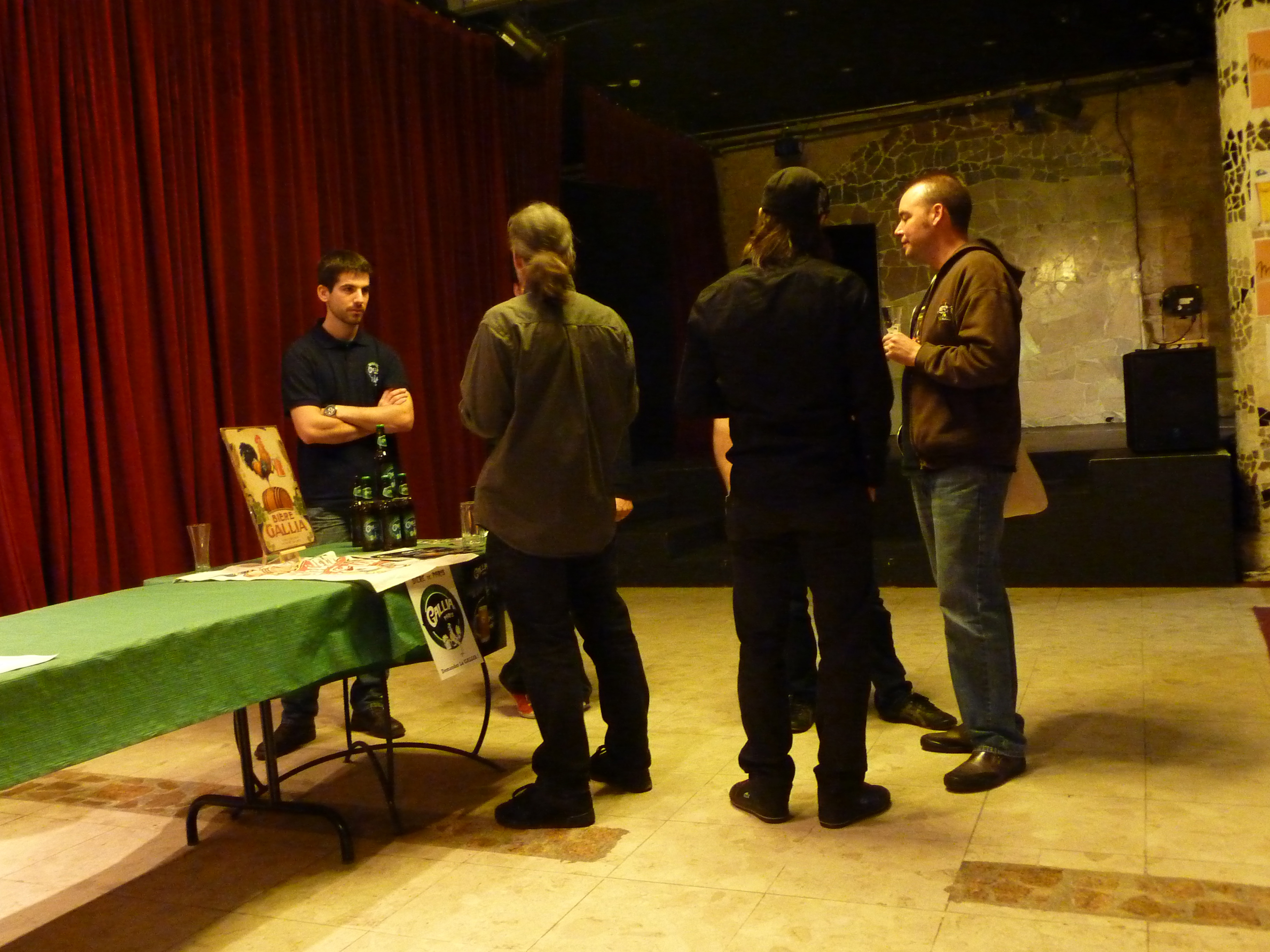
Jacques Ferté of Gallia

Jacques Ferté (behind table) of Gallia
Photo by www.DiscoverParis.net

* * * * * * *

Like our blog? Join us on Facebook!
Celebrating Coffee at the Fête de la Gastronomie — Part I

October 19th, 2011
Facebook Twitter Linkedin

France’s first Fête de la Gastronomie was held on September 23. Among the events at the festival were presentations on and tastings of cheese, chocolate, tea, beer, and coffee.

I wrote about the beer tasting in an earlier blog. In this article, I present my experience at one of the two coffee presentations that I attended. Both were given by Comptoirs Richard, a purveyor of fresh-roasted coffee with seven shops in Paris.

Comtoirs Richard in the 15th Arrondissement

Comtoirs Richard 73, rue Lecourbe Paris
Photo by www.DiscoverParis.net

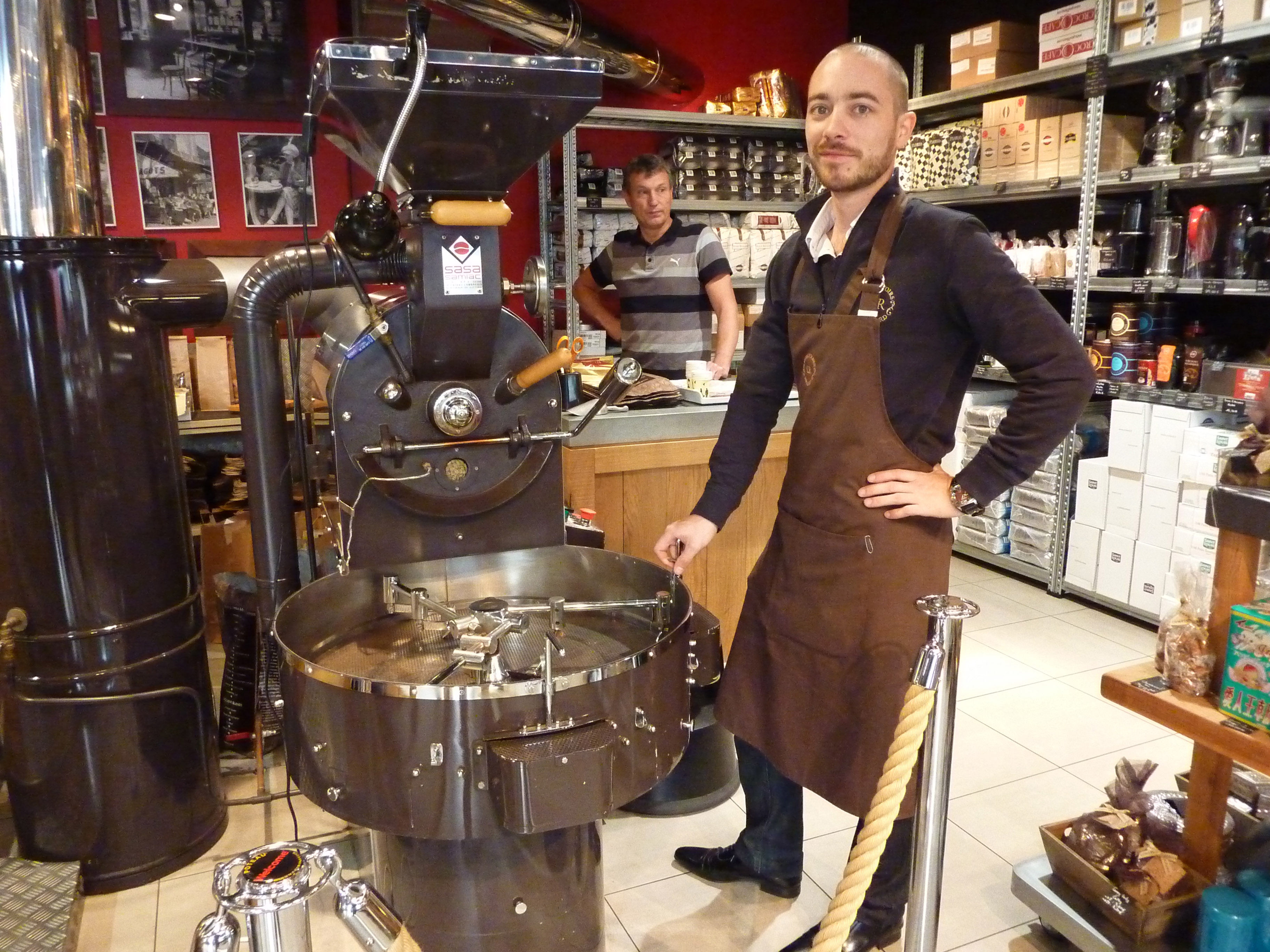
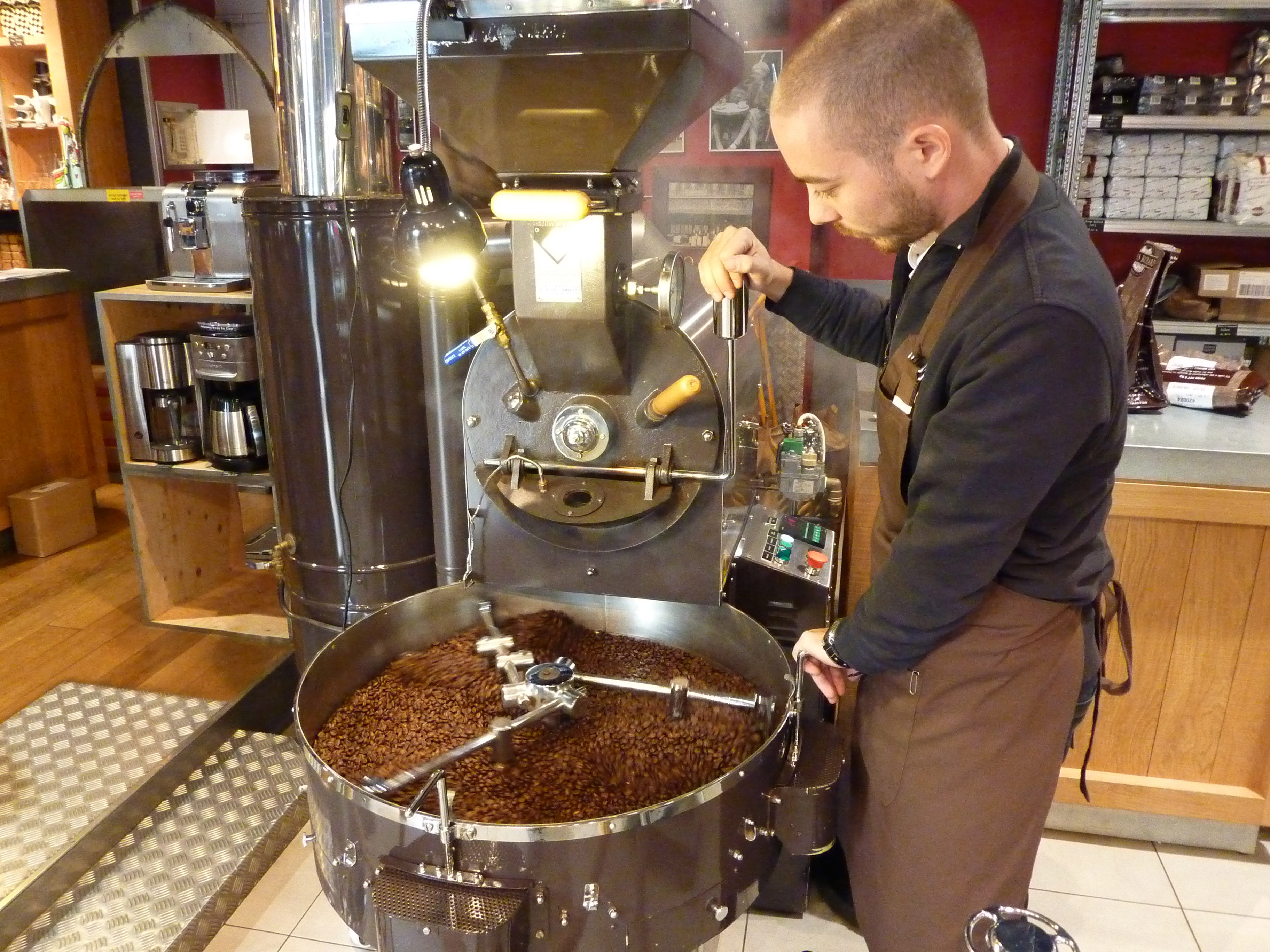
On the morning of the 23rd of September I went to the shop at 73, rue Lecourbe, located in the 15th arrondissement. There, I saw Yoann Linares load a 4kg batch of Guatemala Antigua coffee into his SASA SAMIAC coffee roaster. While the drum turned, Linares explained that when green coffee beans are received from the distributor, they contain about 12% to 15% humidity. It is the humidity in the beans during the roasting process that causes them to expand (they double in volume) and “crack” (make a cracking sound). The escaping hot water transforms the sugar and acids in the beans into aroma, a process called the Maillard reaction (named after the French chemist Louis-Camille Maillard, who discovered the phenomenon).

Yohann Linares Standing next to Sasa Samiac Roaster

Yohann Linares Standing next to Sasa Samiac Roaster
Photo by www.DiscoverParis.net

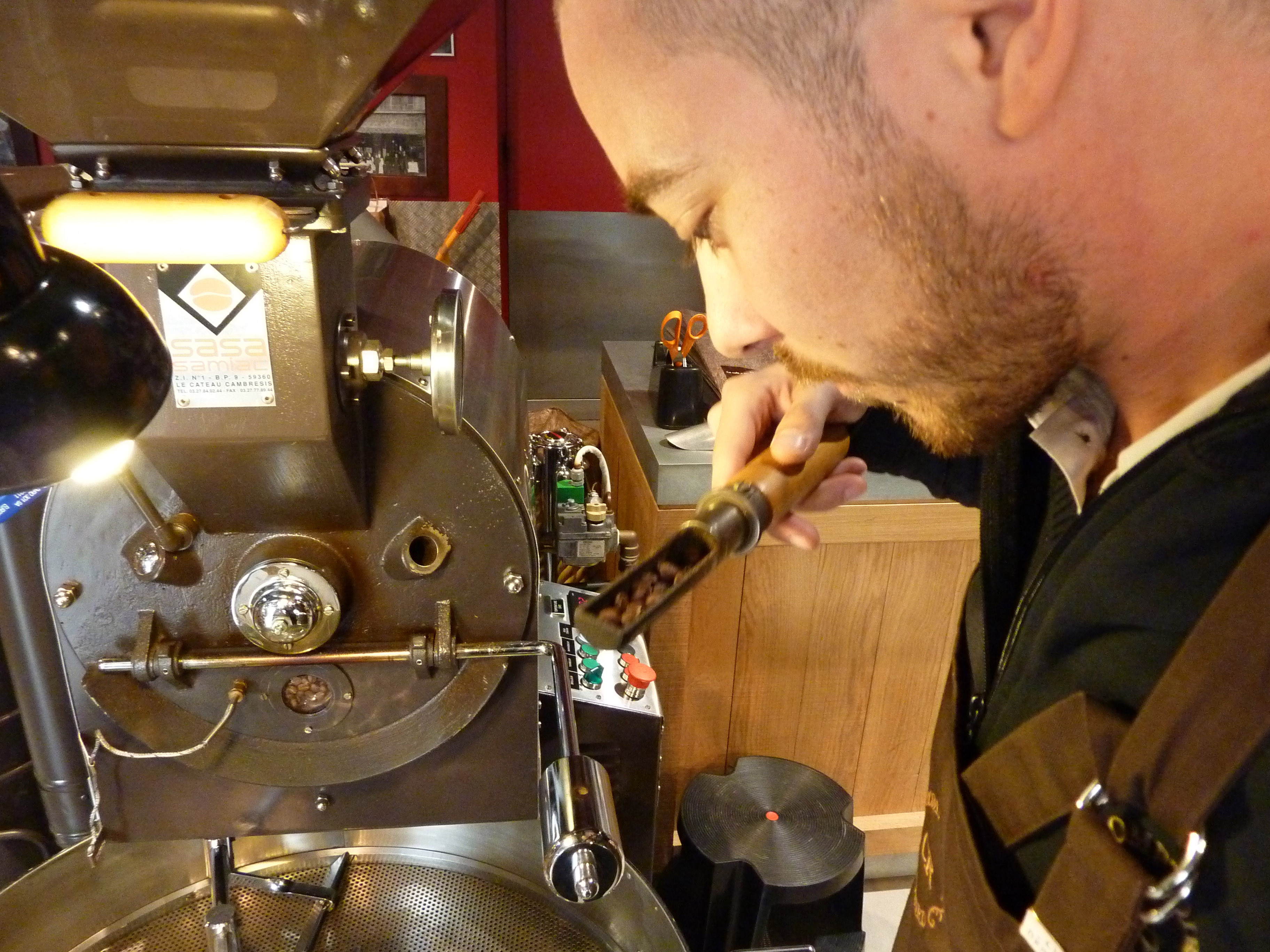
Coffee roasting requires roughly twenty minutes, but that is only an estimate. During the process, Linares checks the quality of the roast by means of a scoop that catches the beans as they tumble in the drum. He withdraws the scoop and inspects the coffee. He explained to me that coffee will crack three times during the roasting process. For his coffee, he stops the roast after the second crack.

Checking the Quality of the Roast

Checking the Quality of the Roast
Photo by www.DiscoverParis.net

After he determined that the roast was about ready, he turned off the heat and let the drum turn awhile. Then he opened a chute, allowing the hot beans to spill onto a cooling tray. Blades in the tray churned the coffee while a fan underneath forced cool air through the beans. The coffee was almost finished! He let the beans cool down and then placed them in a special bag with a valve that allows gasses to escape. After resting 24 to 48 hours, the coffee will be ready to sell to customers.

The Roasted Beans Spill onto the Cooling Tray

The Roasted Beans Spill onto the Cooling Tray
Photo by www.DiscoverParis.net

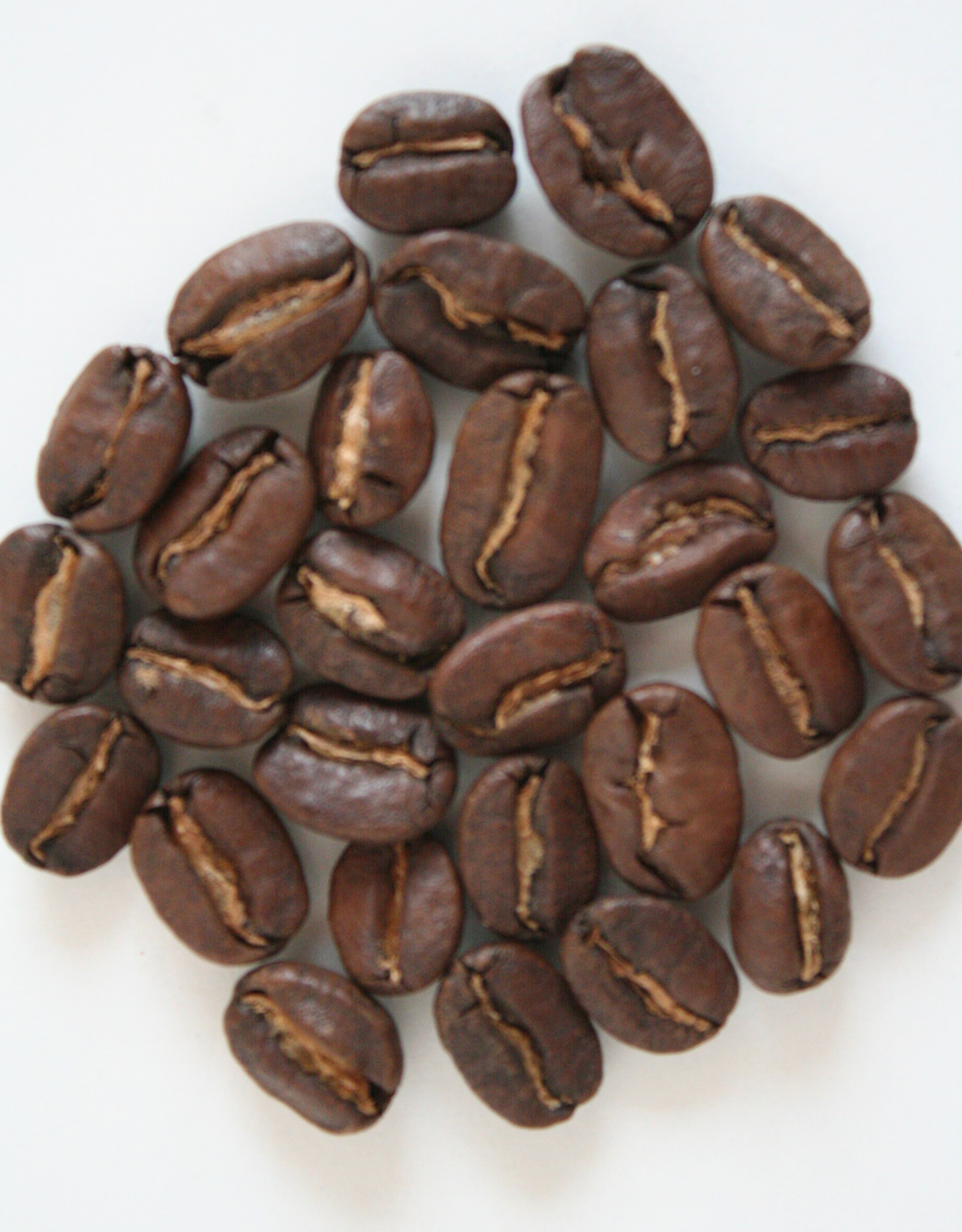
Linares showed me one of the roasted beans and pointed out the caramel-colored stripe that runs down the middle. This is a membrane (called, I believe, chaff or silverskin), and if the coffee is roasted correctly, the membrane has a golden color.

Roasted Coffee Beans Showing Silverskin in Crease

Roasted Coffee Beans Showing Silverskin in Crease
Photo by www.DiscoverParis.net

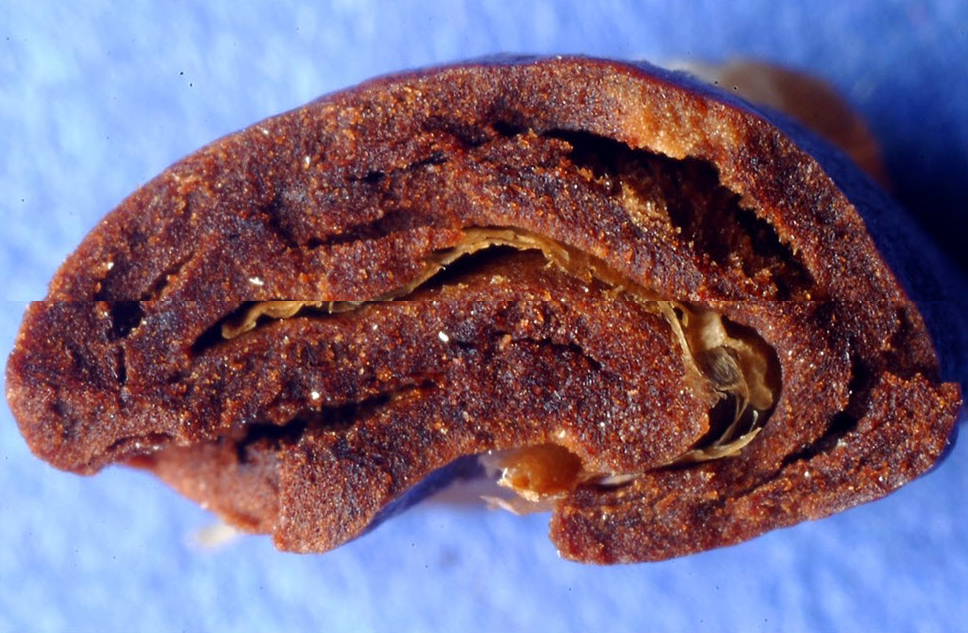
Linares broke open a bean and showed me the interior. I could see the golden membrane wrapped within.

Cross Section of Roasted Coffee Bean Courtesy of Willem J Boot

Cross Section of Roasted Coffee Bean
Photo courtesy of Willem J Boot - www.bootcoffee.com

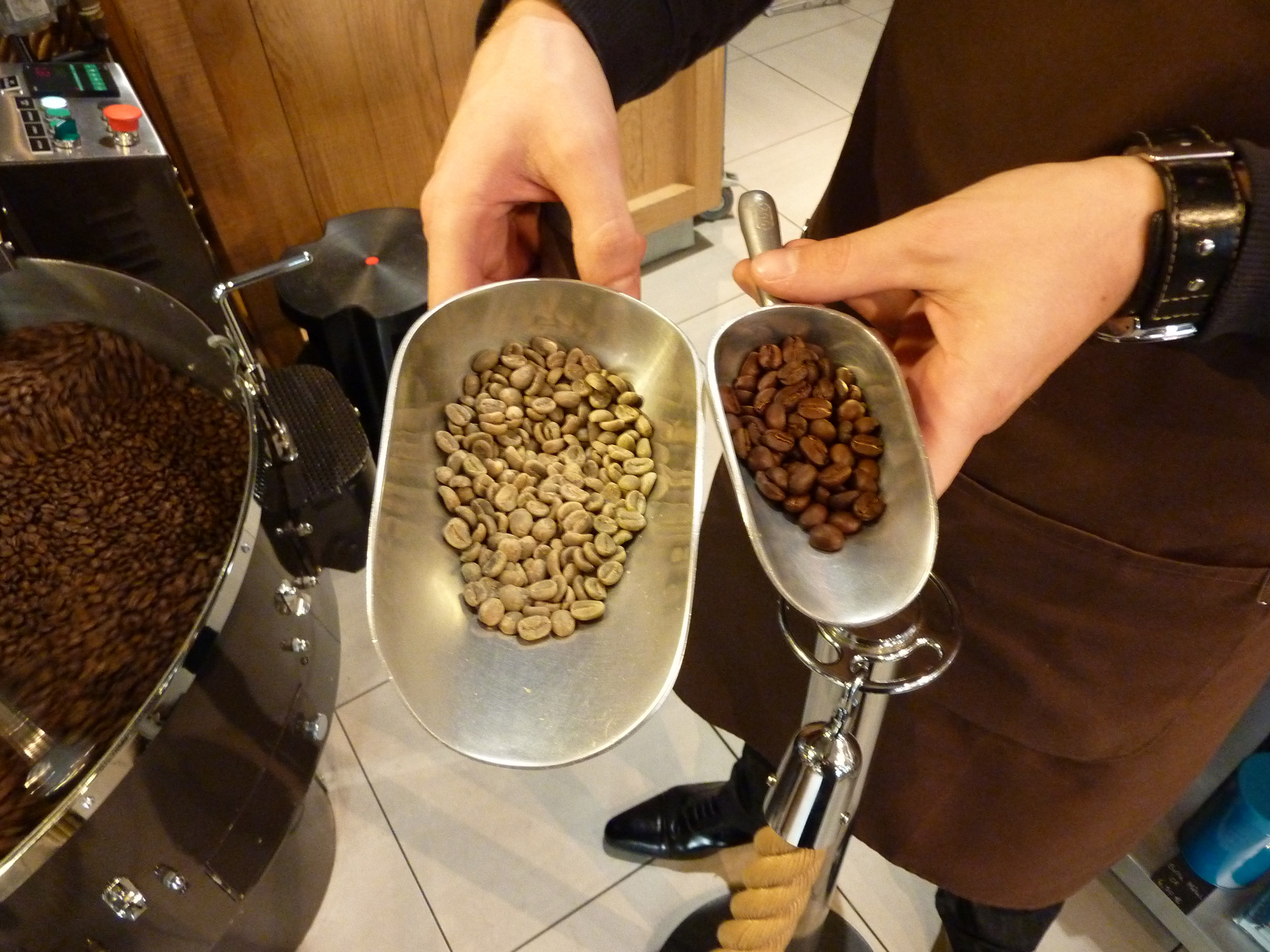
At the end of the roasting demonstration, Linares showed me a scoop of green beans next to a scoop of the roasted ones.

Before and After

Before and After
Photo by www.DiscoverParis.net

I left the shop impressed by the careful attention that Comptoirs Richard gives to its coffee. It is especially notable that the coffee is roasted in small batches, a process that distinguishes it as a quality artisanal product.

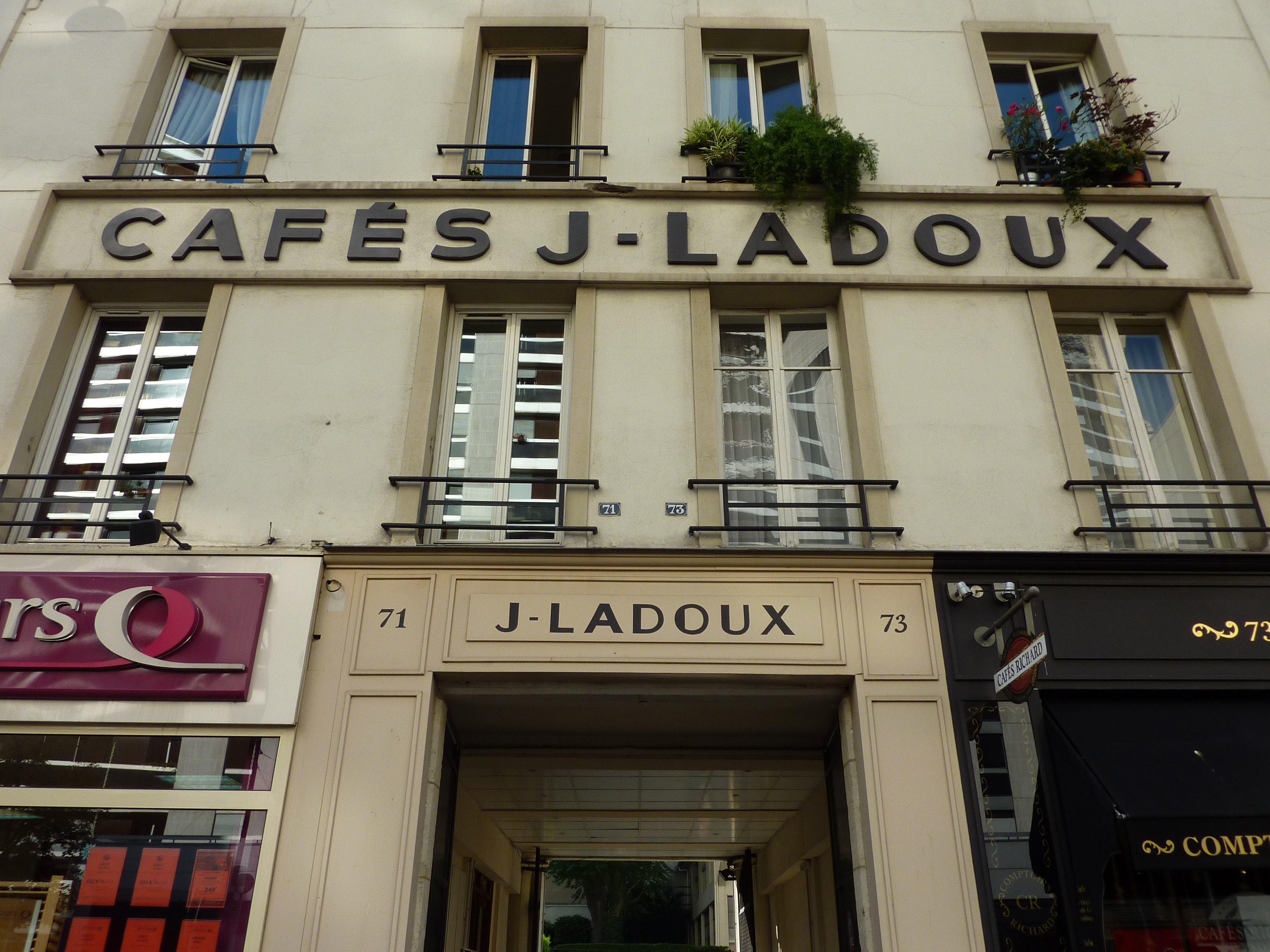
As I was leaving, Linares mentioned that if I would look up at the façade next door, I would see the name of the original owner: J. Ladoux. It seems that one of the heirs of the Richard coffee company married a daughter of the Ladoux family (the owners of the Ladoux coffee company), thereby fusing the two companies into one. It was a matrimonial alliance worthy of royalty!

Façade of J. Ladoux

Façade of J. Ladoux
Photo by www.DiscoverParis.net

* * * * * * *

We participate in Wanderfood Wednesdays. Head over there to explore food from around the world!

Like our blog? Join us on Facebook!
A Cooking Class with Chef François Rosati at the Cook & Coffee Showroom

October 16th, 2011
Facebook Twitter Linkedin

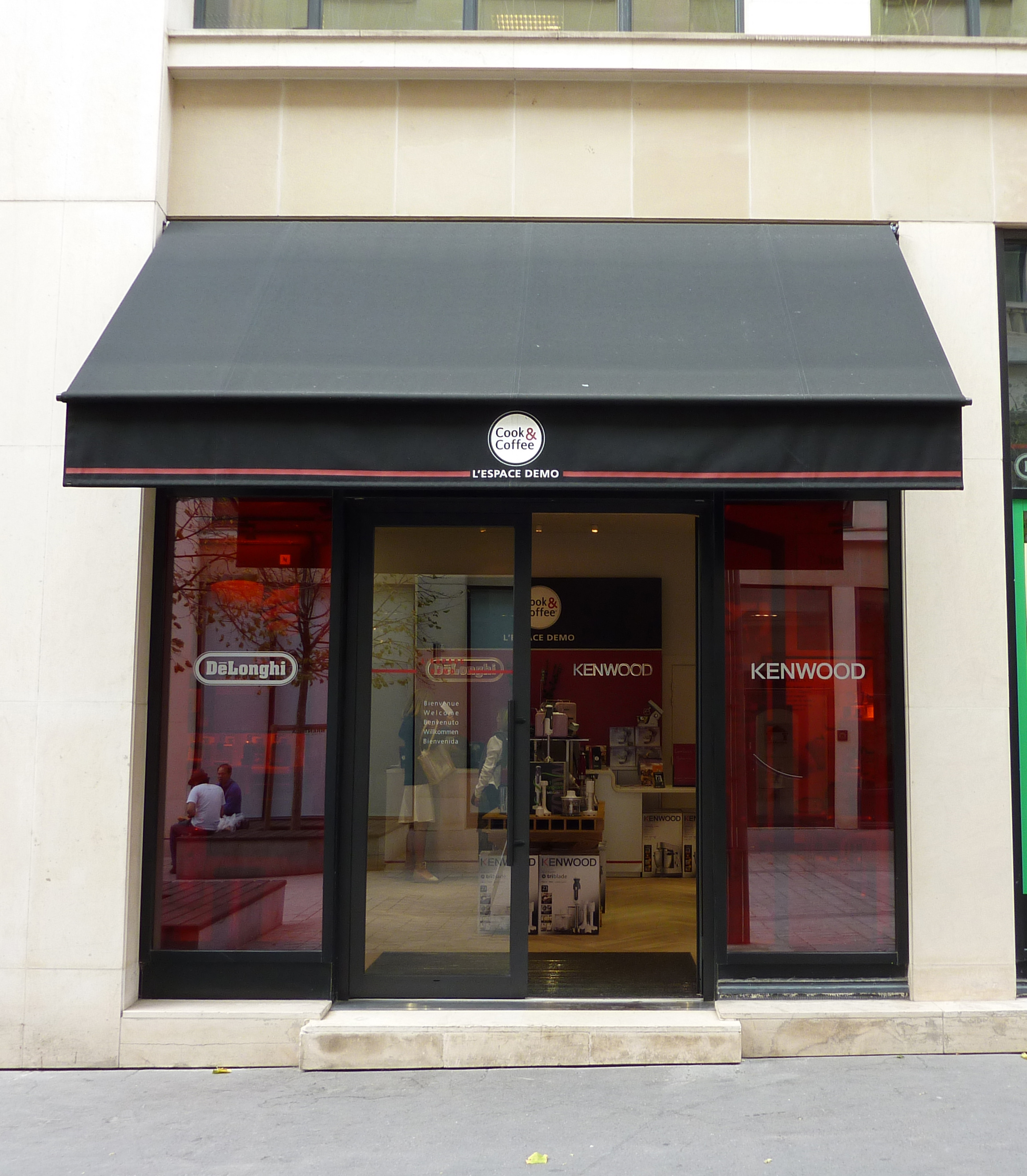
Ever on the lookout for information about how to prepare a better cup of coffee, I recently attended a cooking presentation at Cook & Coffee, a showroom in Paris set up to demonstrate Kenwood and DeLonghi cookware.

Cook & Coffee Showroom

Cook & Coffee Showroom
Photo by www.DiscoverParis.net

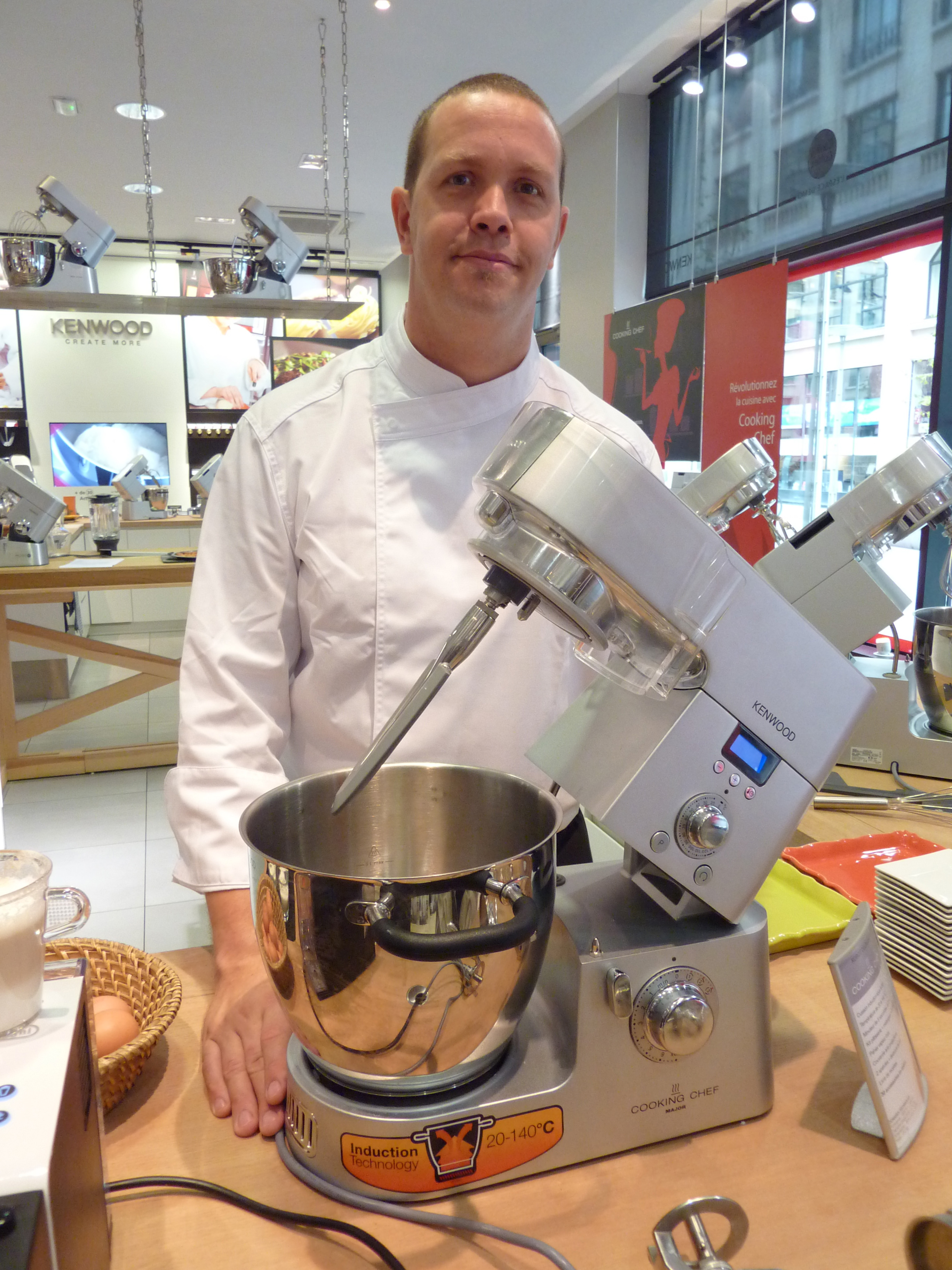
Chef François Rosati first demonstrated how to make choux pastry using the Kenwood Cooking Chef, a mixer that cooks as it stirs. It is a beautiful machine that prepares breads, pastries, risottos, and a zillion other things. It was fun to watch Chef Rosati operate the device and even better to taste the finished pastries that had been baked in advance. (I had half expected the marvelous machine to bake the pastries and was disappointed to see that they had to be formed, using a pastry bag, on a baking sheet and then popped into a preheated oven.)

Chef François Rosati with the Kenwood Cooking Chef

Chef François Rosati with the
Kenwood Cooking Chef
Photo by www.DiscoverParis.net

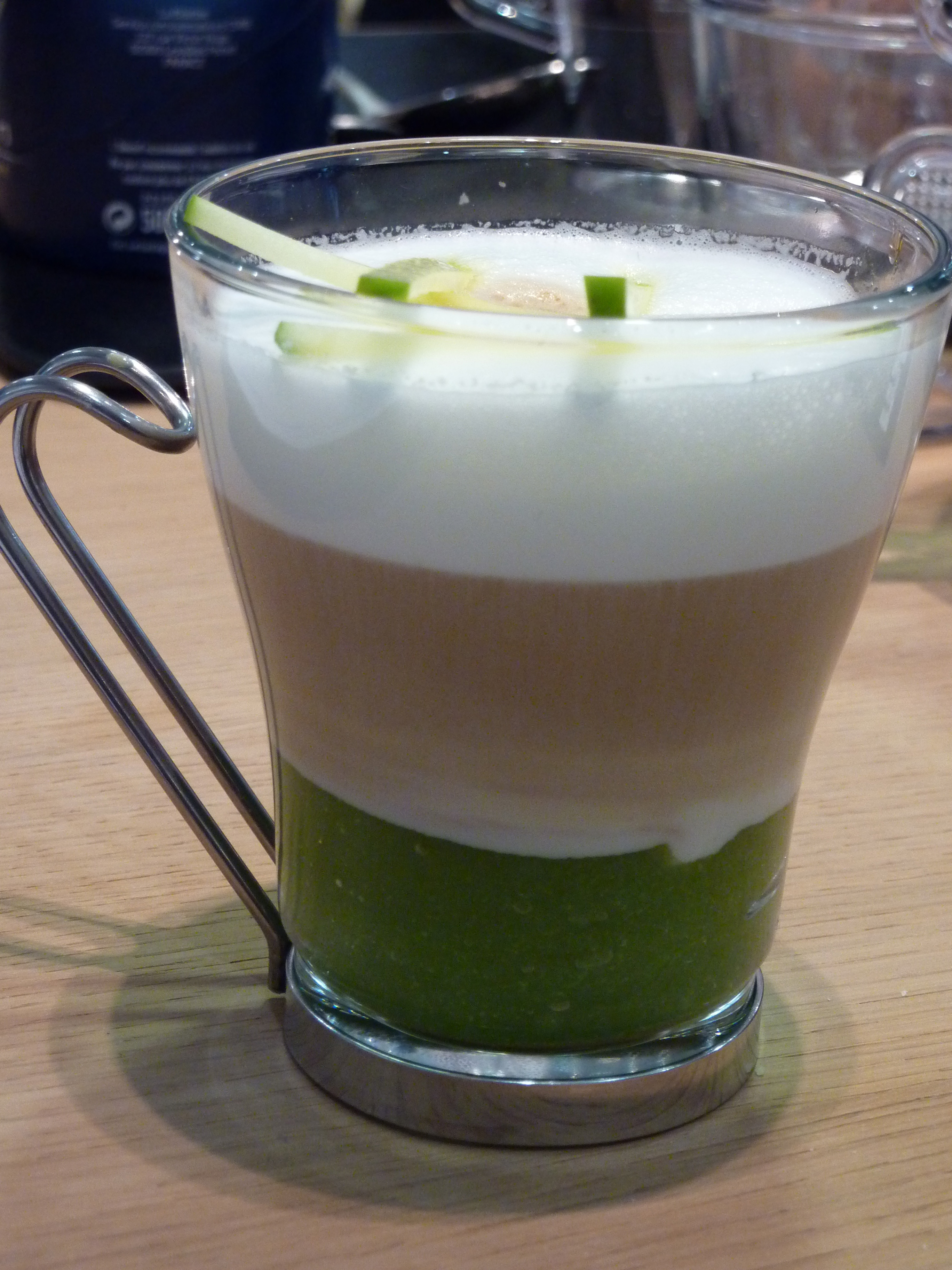
Following this presentation, Chef Rosati demonstrated the DeLonghi Lattissima+, a “one-touch” espresso machine and milk steamer that uses Nespresso capsules. He prepared a three-layered cappuccino: the bottom layer was a purée of green apple (prepared using the Kenwood machine); the middle layer was hot espresso; and the top layer was frothy, steamed milk. Chef Rosati told us that this drink was invented by Michel Roth, chef at the Ritz hotel. I was skeptical but tried it. To drink it, one is supposed to use a spoon to draw the apple purée at the bottom of the cup up through the layers of coffee and milk. Although I thought that the idea was clever, I did not find the combination of the three ingredients to be particularly appealing. I prefer my cappuccino prepared in the traditional way!

Cappuccino Prepared with Purée of Green Apple

Cappuccino Prepared with
Purée of Green Apple
Photo by www.DiscoverParis.net

Cook & Coffee
3, rue Paul Cézanne
75008 Paris
Tel: 01.53.75.44.44
Open Tuesday through Saturday from 10:00 a.m. to 7:00 p.m.

* * * * * * *

Like our blog? Join us on Facebook!
A Champagne Reception at La Bonne Franquette

October 12th, 2011
Facebook Twitter Linkedin
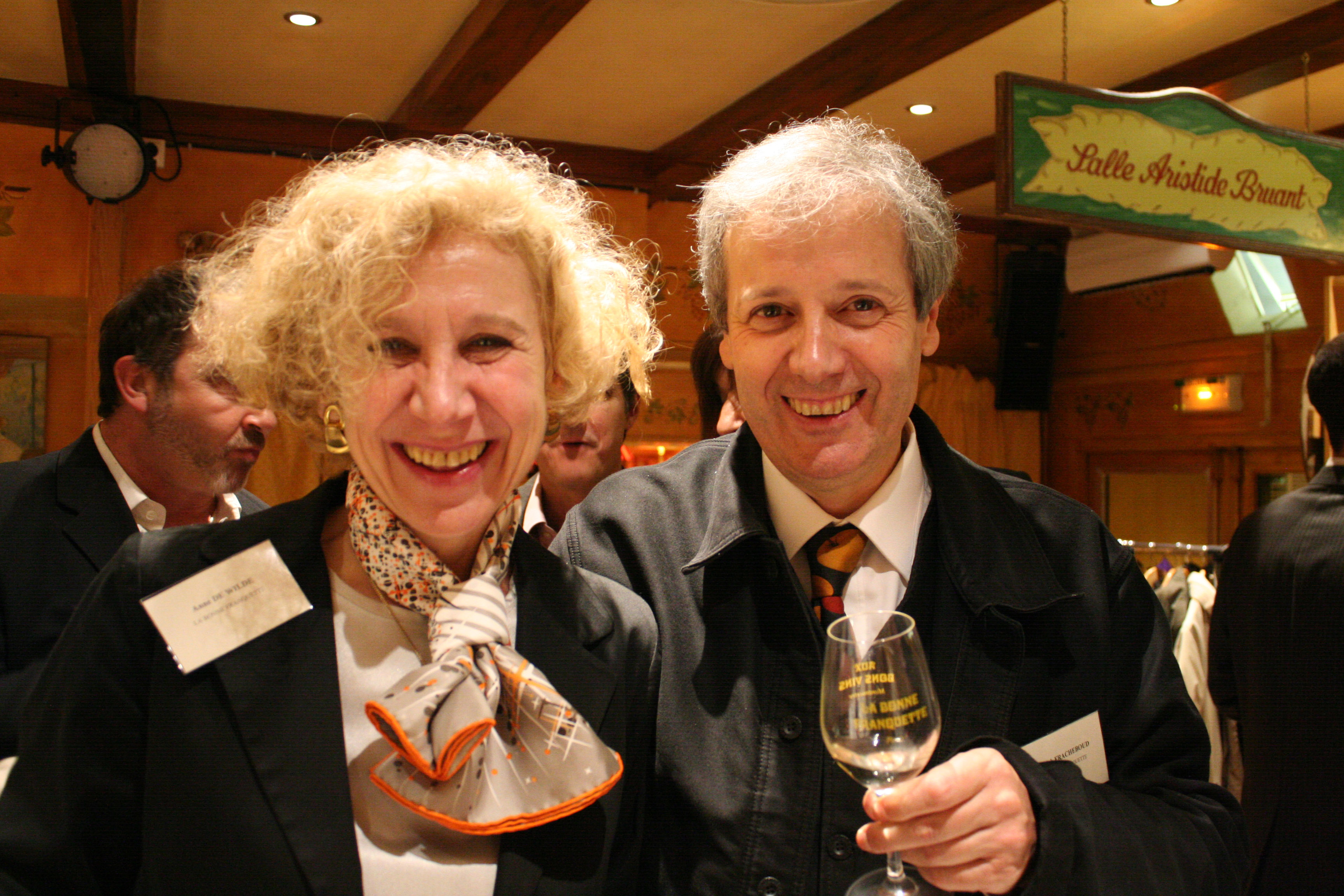
Anne and Patrick Frachboud

Anne and Patrick Frachboud
Owners of La Bonne Franquette
Photo by www.DiscoverParis.net

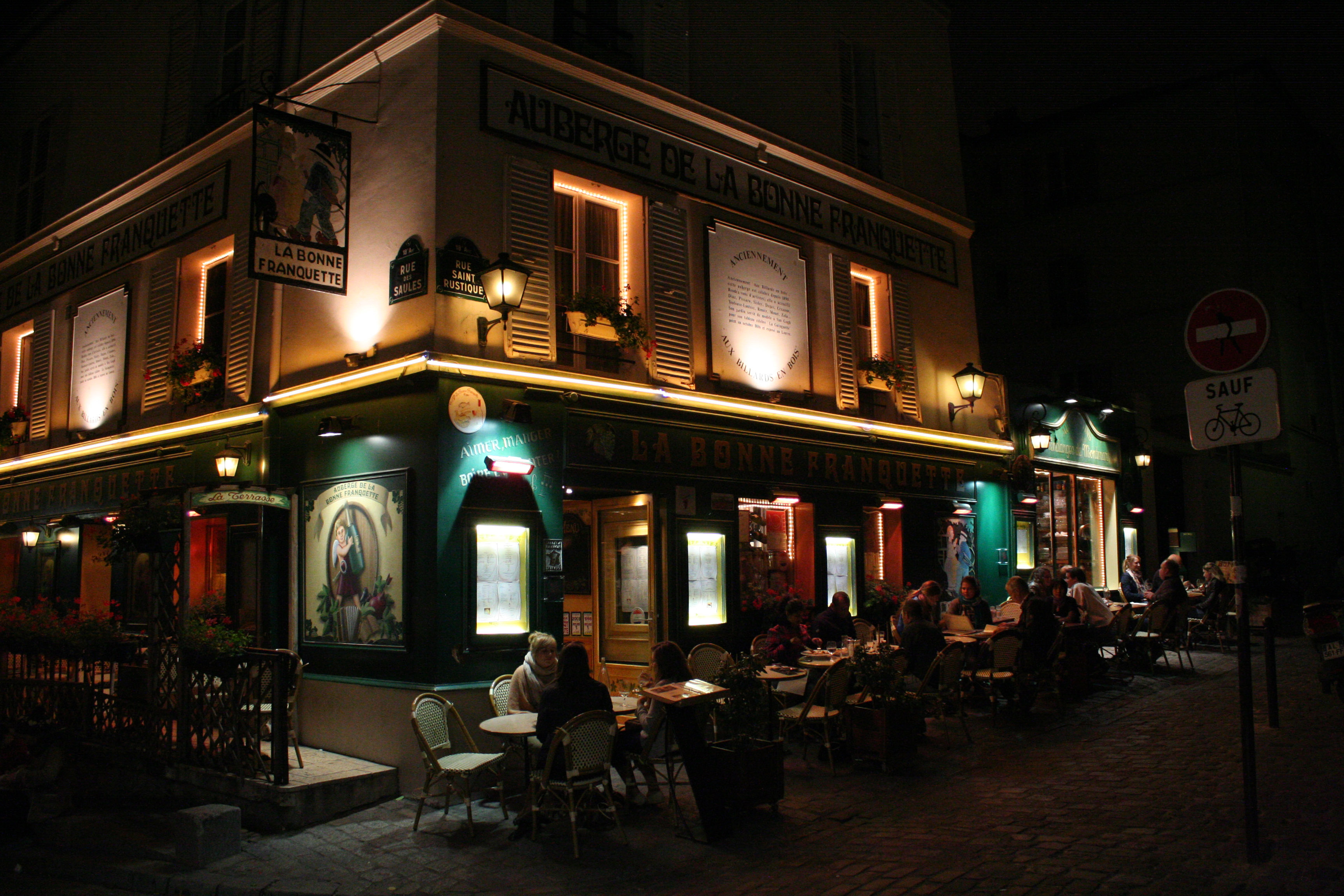
Last night we attended a champagne reception at La Bonne Franquette, a restaurant located on Butte Montmartre not far from Sacré-Cœur Basilica. Organized by the owners, Patrick and Anne Fracheboud, there were six different champagnes available to taste including three mono-cépages (champagne from a single grape variety).

La Bonne Franquette specializes in regional cuisine. We dined there recently and were impressed by the quality of the food and service. Located in the heart of a major tourist attraction (just off place du Tertre), it would be so easy for the owners to take the path of least resistance and serve mediocre food to the hundreds of tourists who come here. The Frachebouds, however, have chosen to set their sights higher. The proof is in the quality of the delicious regional dishes that they serve!

La Bonne Franquette

La Bonne Franquette
Photo by www.DiscoverParis.net

We wrote an extensive article about La Bonne Franquette for this month’s edition of Le Bon Goût, a restaurant review feature that appears in our monthly newsletter Paris Insights.

Click here to read a brief summary of the October issue, and here to enter a subscription.

Bonne lecture!

* * * * * * *

We participate in Wanderfood Wednesdays. Head over there to explore food from around the world!

Like our blog? Join us on Facebook!
A Champagne Reception at La Bonne Franquette

The Inventory of French Regional Foods

October 11th, 2011
Facebook Twitter Linkedin
Mary and Philip Hyman

Mary and Philip Hyman
Photo by www.DiscoverParis.net

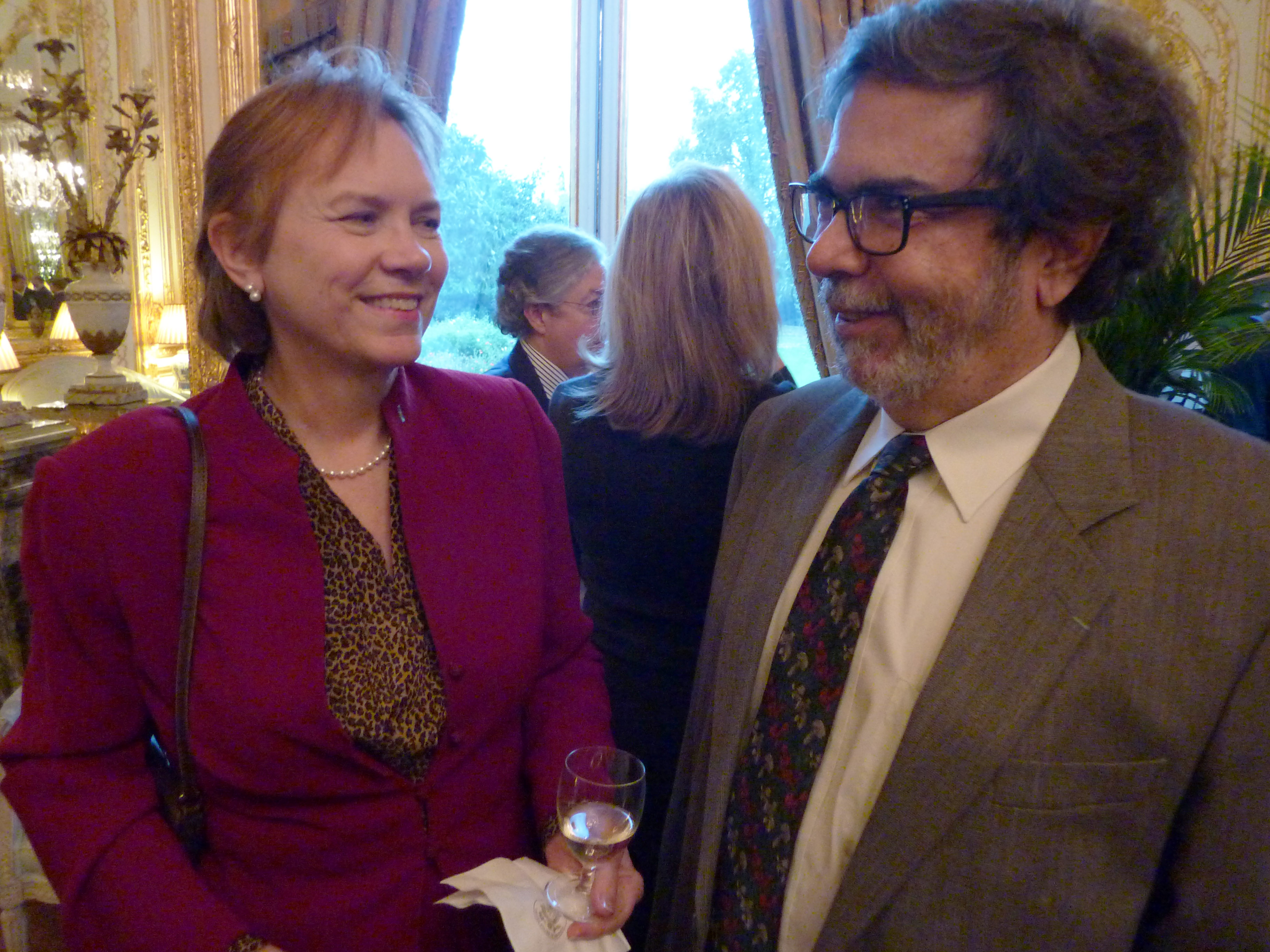
On Sunday, we blogged about the reception that American Ambassador Charles Rivkin held in honor of Nathan Myhrvold. At that reception we also met Philip and Mary Hyman, both of whom have been extensively involved for the past twenty years in the publication of a twenty-two volume encyclopedia entitled L’Inventaire du Patrimoine Culinaire de la France. The Hymans are members of the steering committee which oversees the research and publication of this important work. What makes it important is that it is an extensive inventory of traditional French foods region by region—the collection is an historical record of regional foods that may someday no longer exist.

A government-sponsored undertaking, the project was started in 1990. Each French region finances the effort to research and write the material for the specific volume devoted to the food of that region.

The Hymans told us that there are two teams that research and write the texts. The first is composed of field workers who interview producers; the second, of historians who document the history of the foods being described. For practical purposes, traditional foods are defined as those in existence for at least two generations and firmly anchored in the local culture. The inventory is not a survey of regional recipes but of produce found in local markets that reflects specific regional tastes and savoir-faire. The research casts a wide net, including raw ingredients (local plant varieties or breeds of animals), cheeses, breads, pastries, etc.

The penultimate two volumes in the series are due to be published by the end of the year, one on the region Centre, the other on Auvergne. The collection will then have covered all the regions of metropolitan France as well as Guadeloupe, Martinique, and French Guyana. A final volume, devoted to the foods of the Island of Reunion, is currently under consideration.

* * * * * * *

Like our blog? Join us on Facebook!
The Inventory of French Regional Foods

Modernist Cuisine By Nathan Myhrvold

October 9th, 2011
Facebook Twitter Linkedin
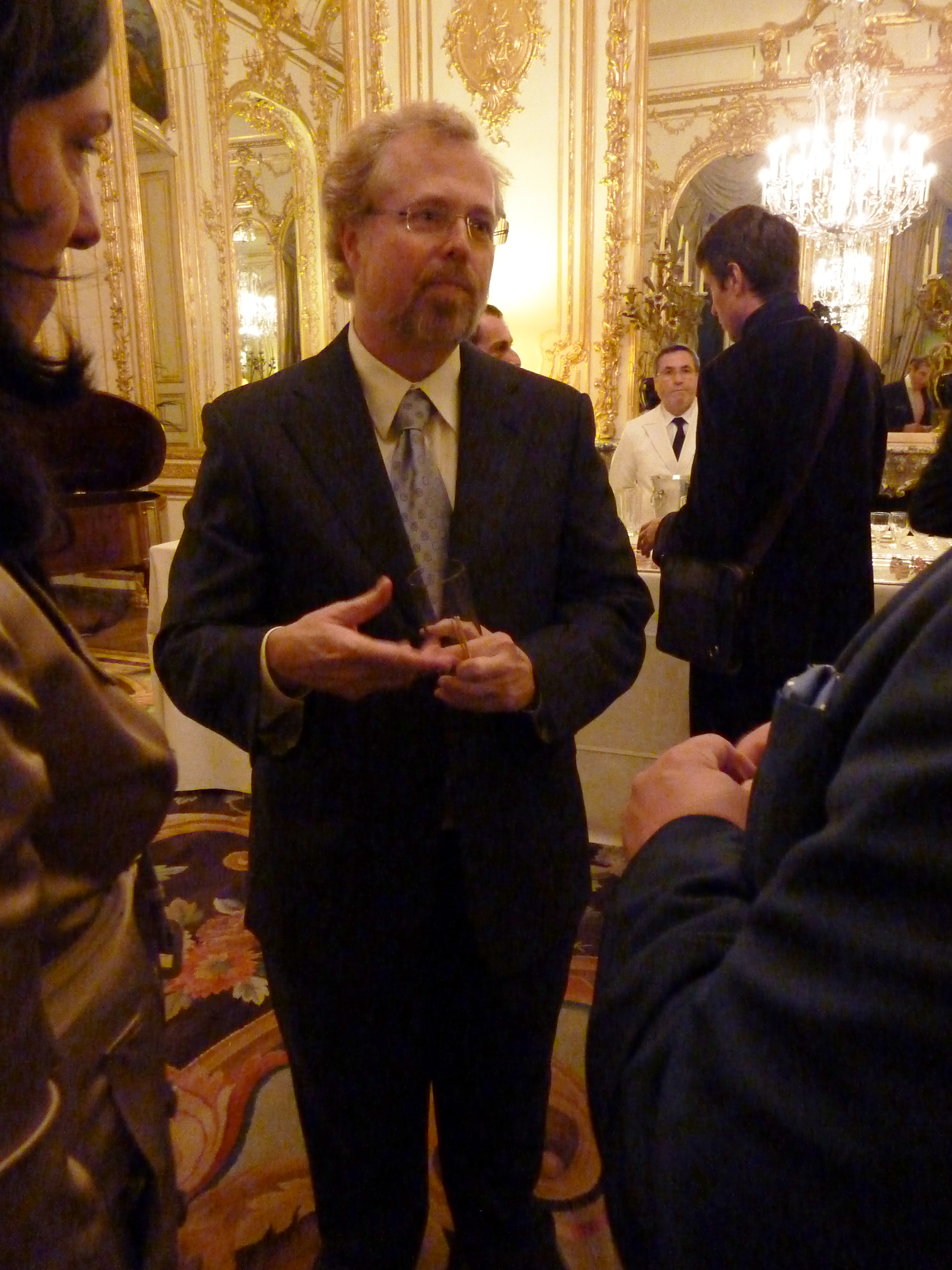
Nathan Myhrvold

Nathan Myhrvold
Photo by www.DiscoverParis.net

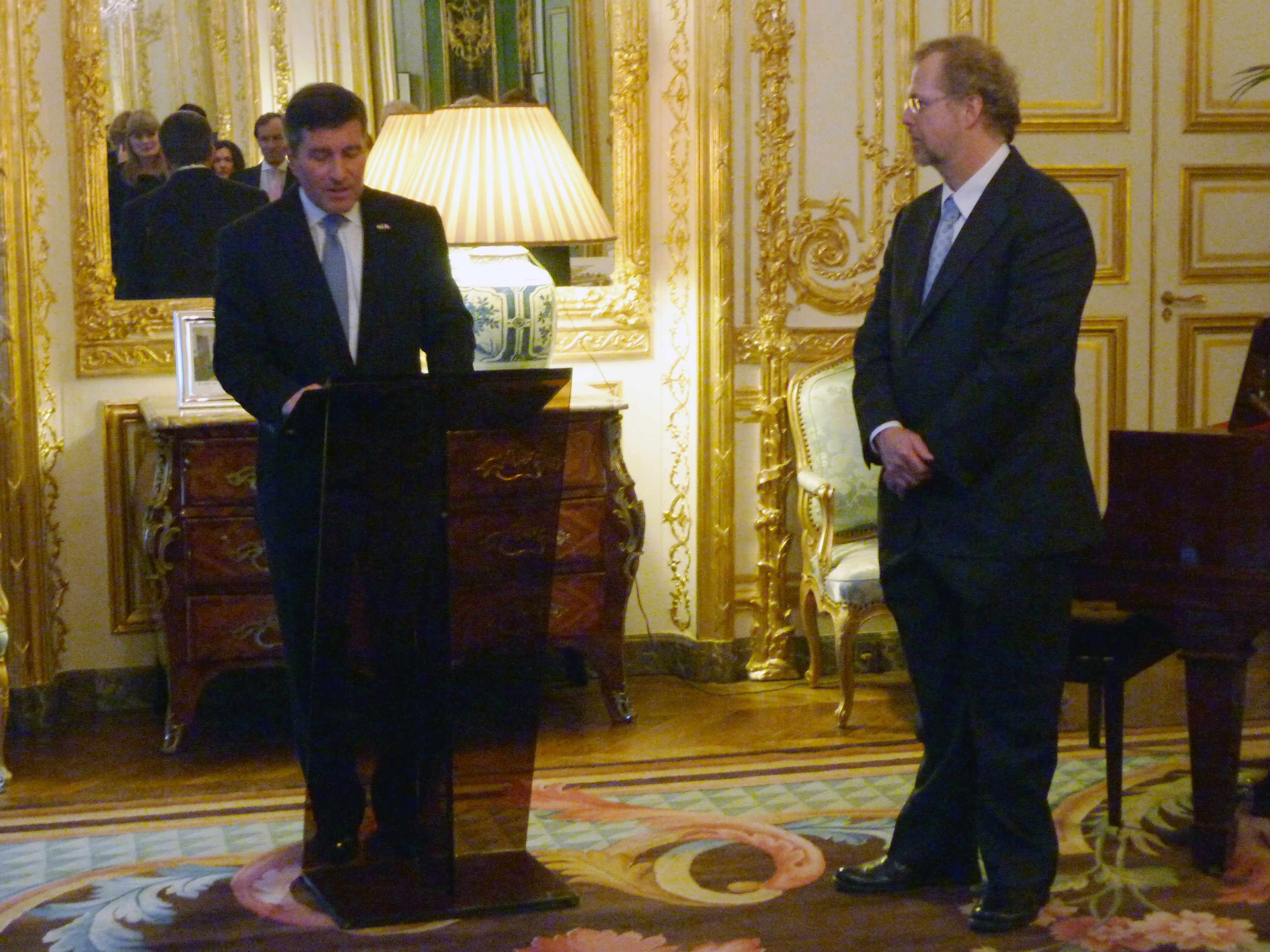
Ambassador Rivkin and Nathan Myhrvold

Ambassador Rivkin and Nathan Myhrvold
Photo by www.DiscoverParis.net

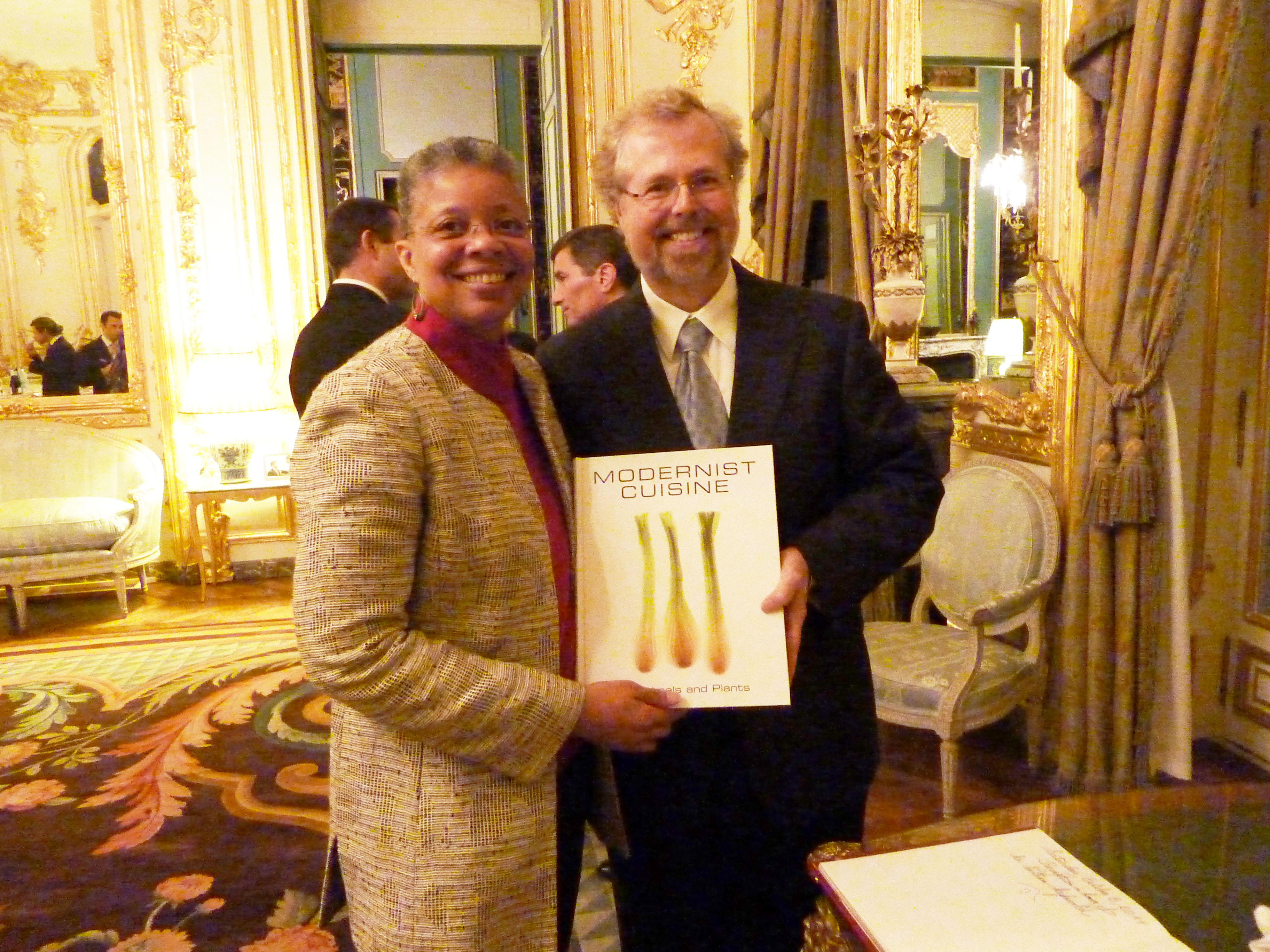
We had the good fortune to be invited to a reception at the American ambassador’s residence last night where Nathan Myhrvold was the guest of honor. Among other achievements, Myhrvold is the co-author of Modernist Cuisine, a six-volume book on the art and science of cooking. This is an amazing book, which shows in glorious photographs what happens when you apply heat to food. Though priced way too high for the average person who cooks at home and wants to understand the chemical and physical processes of food preparation (400€ on the Continent), it will undoubtedly help professional chefs who want to improve their cooking techniques. For those who are not professional cooks, if they can get a hold of a copy we are certain that they will spend many happy hours just browsing through the fantastic photographs.

Monique Y. Wells, co-founder of Discover Paris! and Nathan Myhrvold co-author of Modernist Cuisine

Monique Y. Wells, co-founder of Discover Paris!
and Nathan Myhrvold, co-author of Modernist Cuisine
Photo by www.DiscoverParis.net

Mr. Myhrvold is in Europe to promote the European editions of his book. It will soon be released in French, Spanish, and German. Myhrvold is hobnobbing with some of France’s greatest chefs as part of this effort—Pierre Hermé and Jacques Le Divellec were among the invitees for the Ambassador’s soirée on Saturday, and Myhrvold met with Alain Ducasse on Friday evening.

Ambassador Rivkin introduced Myhrvold—I do not remember his exact words—as being a modern-day Diderot. Denis Diderot was a major figure of the Enlightenment and co-founder and chief editor of an encyclopedia published in France between 1751 and 1772 that helped change the way people viewed the world. I do not think it an exaggeration to say—and this is probably what Ambassador Rivkin said—that Myhrvold’s book Modernist Cuisine will change the way that people view cooking and food.

* * * * * * *

Like our blog? Join us on Facebook!

Modernist Cuisine By Nathan Myhrvold

Cupcake Camp Winners

October 7th, 2011
Facebook Twitter Linkedin
Cupcake

Cupcake

I was unable to attend the fabulous Cupcake Camp, held in Paris on Sunday, October 2. I do want to comment on it though, because it was a successful event and its organizers, Cat Beurnier, Nicolette Van der Doe, and Bryan Pirolli put in a lot of effort to bring it off.

Over five hundred persons attended the bake sale, some 2,600 cupcakes were sold, and it raised roughly 6,000€ for Make a Wish France!

Congratulations go out to three winners:

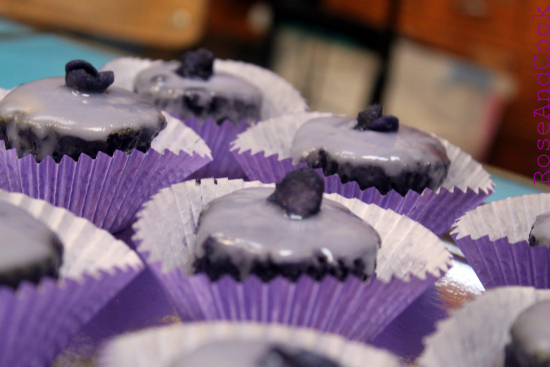
Rose & Cook, for Most Unusual Ingredient with her Vitelotte Potato and Violet Syrup cupcake.

Rose & Cook Avatar

Rose & Cook Avatar

Winning Cupcakes by Rose & Cook

Winning Cupcakes
Most Unusual Ingredient
Photo courtesy of
Rose & Cook

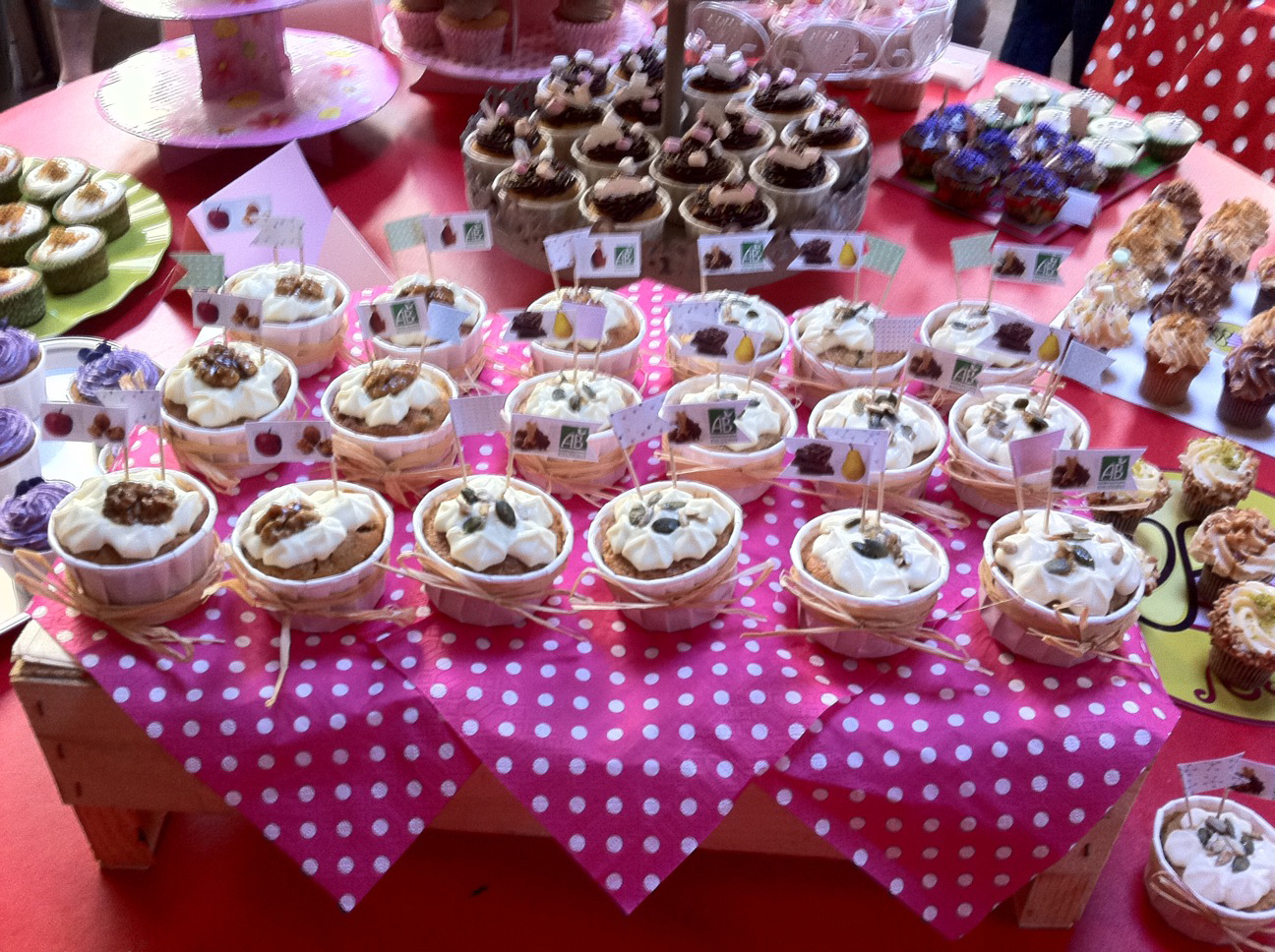
Marie Grave won Best Fall-inspired Cupcake with her Apple, Nut, and Maple Syrup cupcakes.

Photo Unavailable

Photo Unavailable

Best Fall-Inspired Cupcakes

Winning Cupcakes
Best Fall-inspired Cupcakes
Photo courtesy of
Marie Grave

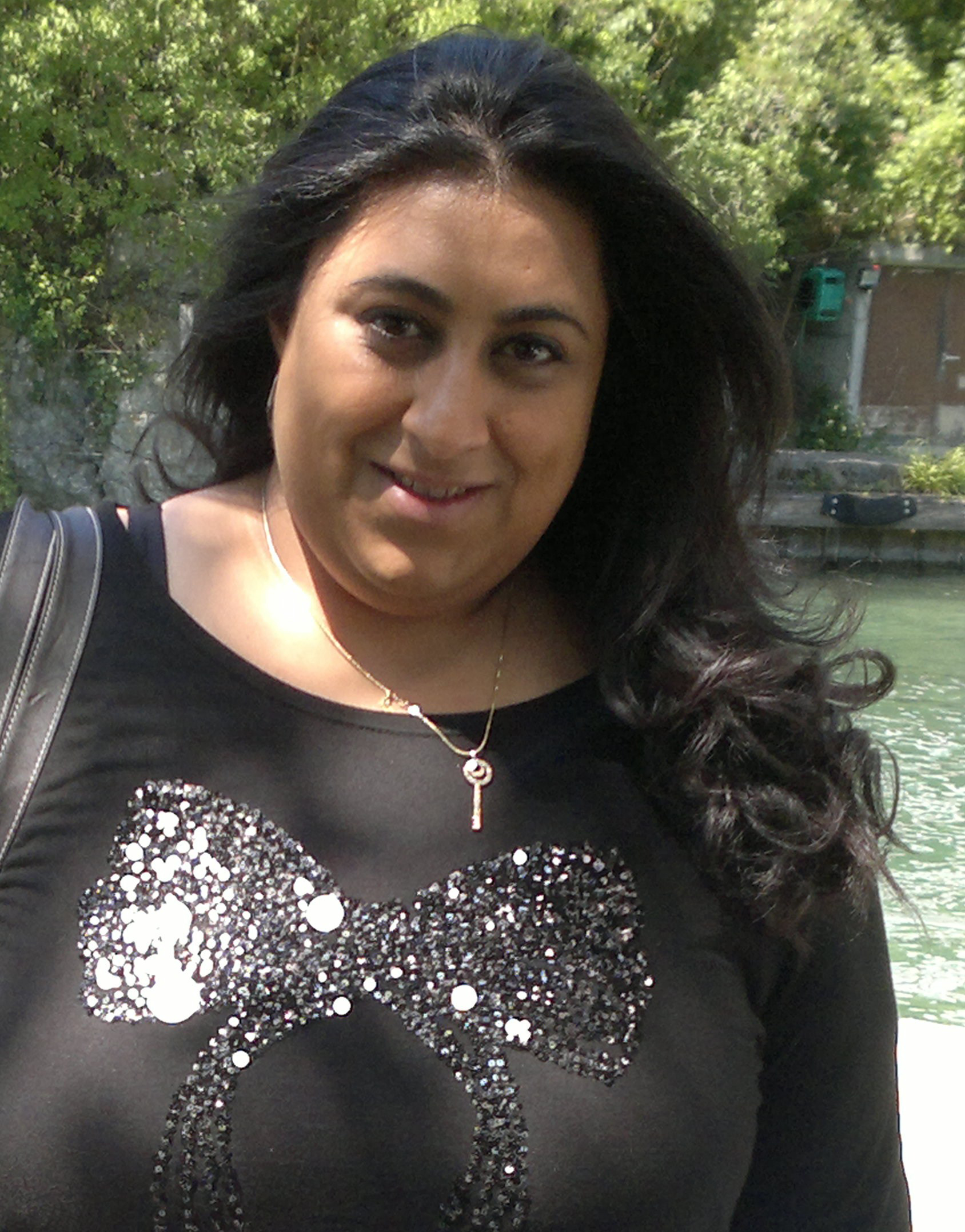
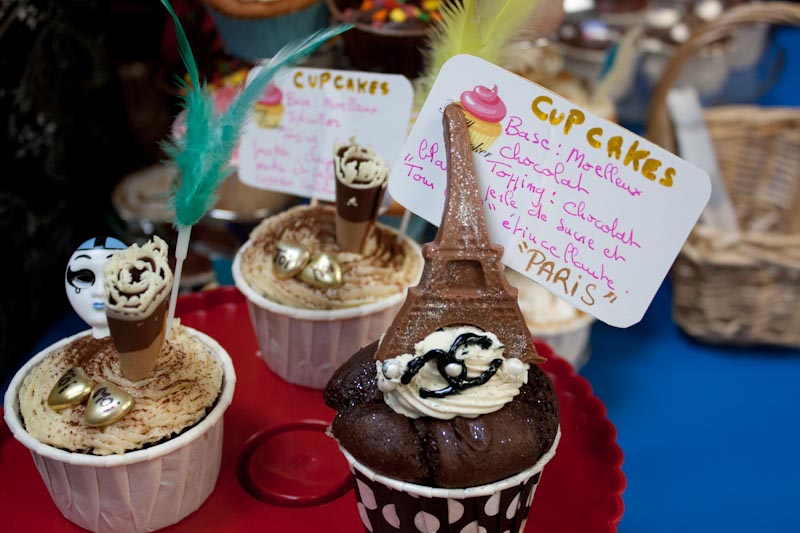
And Rahima Mohammad took three categories: the Most Parisian cupcake, the Make a Wish cupcake, and Best in the Show.

Rahima Mohammad

Rahima Mohammad
Winner in Three Categories
Photo courtesy of
Rahima Mohammad

Best-category Cupcakes

Best Cupcakes
in Three Categories
Photo from
Cupcake Camp Web Site

See you next year at Cupcake Camp!

* * * * * * *

Like our blog? Join us on Facebook!
Cupcake Camp Winners

Fun on the Seine with Fête de la Gastronomie

October 5th, 2011
Facebook Twitter Linkedin
Beer Tasting on the Seine

Beer Tasting on the Seine
Photo by www.DiscoverParis.net

France celebrated its first Fête de la Gastronomie on Friday, September 23. In Paris there were many special events to celebrate this day including a “2 for 1” offer in some of Paris’ top restaurants (during the week of September 19-25), cheese tastings, chocolate tastings, and more!

I chose to attend three events, two of which were organized around the theme of coffee. I will report on these at another time. The third was an event that took place on a boat called Six-Huit that was docked at quai Montebello across the river from Notre-Dame Cathedral. Here, from 7:30 p.m. until who knows what time the party broke up, a number of artisanal beer brewers from all over France came to pour their brews for beer enthusiasts. For the price of 21€, one had the right to taste four beers and a platter of either cheese or charcuterie. It was a good price for the privilege of sipping suds while meeting some of the movers and shakers of the micro-brewery industry in France and while standing on a péniche with an incredible view of the cathedral.

I met Laurent Mousson, beer aficionado and vice-president of the European Beer Consumers Union, who told me that artisanal micro-brewers were advised that the French would never accept the naturally bitter beers that they wanted to produce. They pressed ahead anyway, and according to the manifesto posted (in French) on their Web site, the industry is experiencing healthy growth.

Laurent Mousson, Beer Aficionado

Laurent Mousson, Beer Aficionado
Photo by www.DiscoverParis.net

I met Marjorie Jacobi, a brewer from Blainville-sur-l’Eau in the Lorraine region (in eastern France) whose California lager that she calls La Véronique Lucienne was a pleasure to drink. It was dry and slightly sweet at the same time, with notes of bitter orange. When I told her that I was from California, she was especially pleased to learn that I liked her beer.

Marjorie Jacobi, Micro-brewer

Marjorie Jacobi, Micro-brewer
Photo by www.DiscoverParis.net

I met Nathalie, a Parisian who brews her own beers.

Nathalie, Private Beer Brewer in Paris

Nathalie, Private Beer Brewer in Paris
Photo by www.DiscoverParis.net

I met a group of beer lovers from an association called Amis de la Bière – Ile de France. They love to talk about beer and drink it at social occasions that they organize in the Ile de France region.

And I met Cyril Lalloum, who organizes social events around beer that he and his partner Laurent Cicurel call Les Soirées Maltées. It was they who organized that night’s event.

Around 10:00 p.m. I noted the marvelous effect that beer has upon a person who begins his evening on an almost imperceptibly rocking boat. Although I had drunk only four gavroches (a glass with a capacity of 12.5cl), I had the very real sensation that the boat was rocking even more! Fearing that more drinking might cause the boat to capsize, I set my glass down, bade farewell to new friends, and set off into the Paris night.

On the Boat - Péniche Six-Huit

On the Boat
Péniche Six-Huit
Photo by www.DiscoverParis.net

* * * * * * *

We participate in Wanderfood Wednesdays. Head over there to explore food from around the world!

Like our blog? Join us on Facebook!
In This Month’s Paris Insights Newsletter:
May ’68 – An Eyewitness Account

October 1st, 2011
Facebook Twitter Linkedin
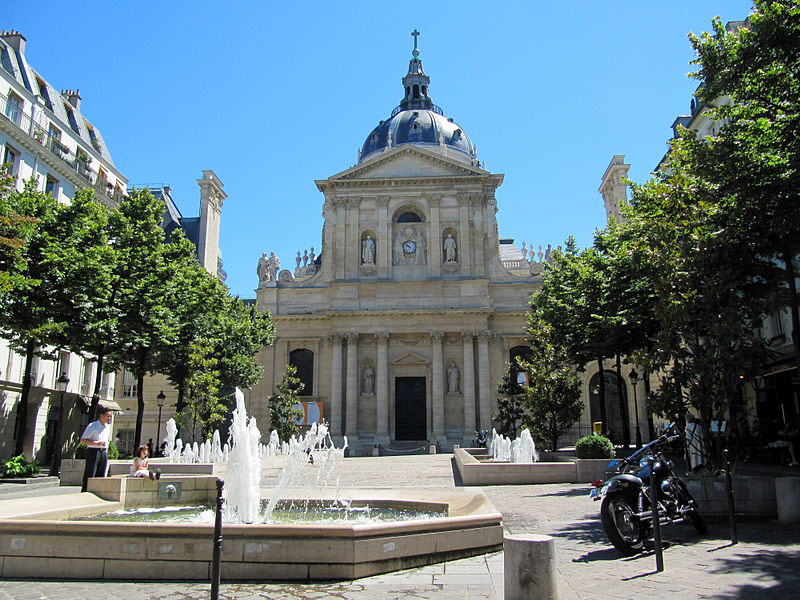
Place de la Sorbonne

Place de la Sorbonne
Photo courtesy of Wikicommons - Dinkum

For the October edition of Paris Insights we interview William Brustein, Vice Provost for Global Strategies and International Affairs and Professor of Sociology at The Ohio State University. He recounts his experience as a student in France during the May ’68 uprising.

Our newsletter is published monthly as a downloadable PDF file. It is available only to paid subscribers for an annual subscription fee of $30.

If you are not a paid subscriber and would like to download the newsletter, please click here. Enter promotional code 11473309154 to receive a $5 discount off the price of an annual subscription.

Bonne Lecture!

* * * * * * *

Like our blog? Join us on Facebook!
The Floating Market of Paris

September 28th, 2011
Facebook Twitter Linkedin
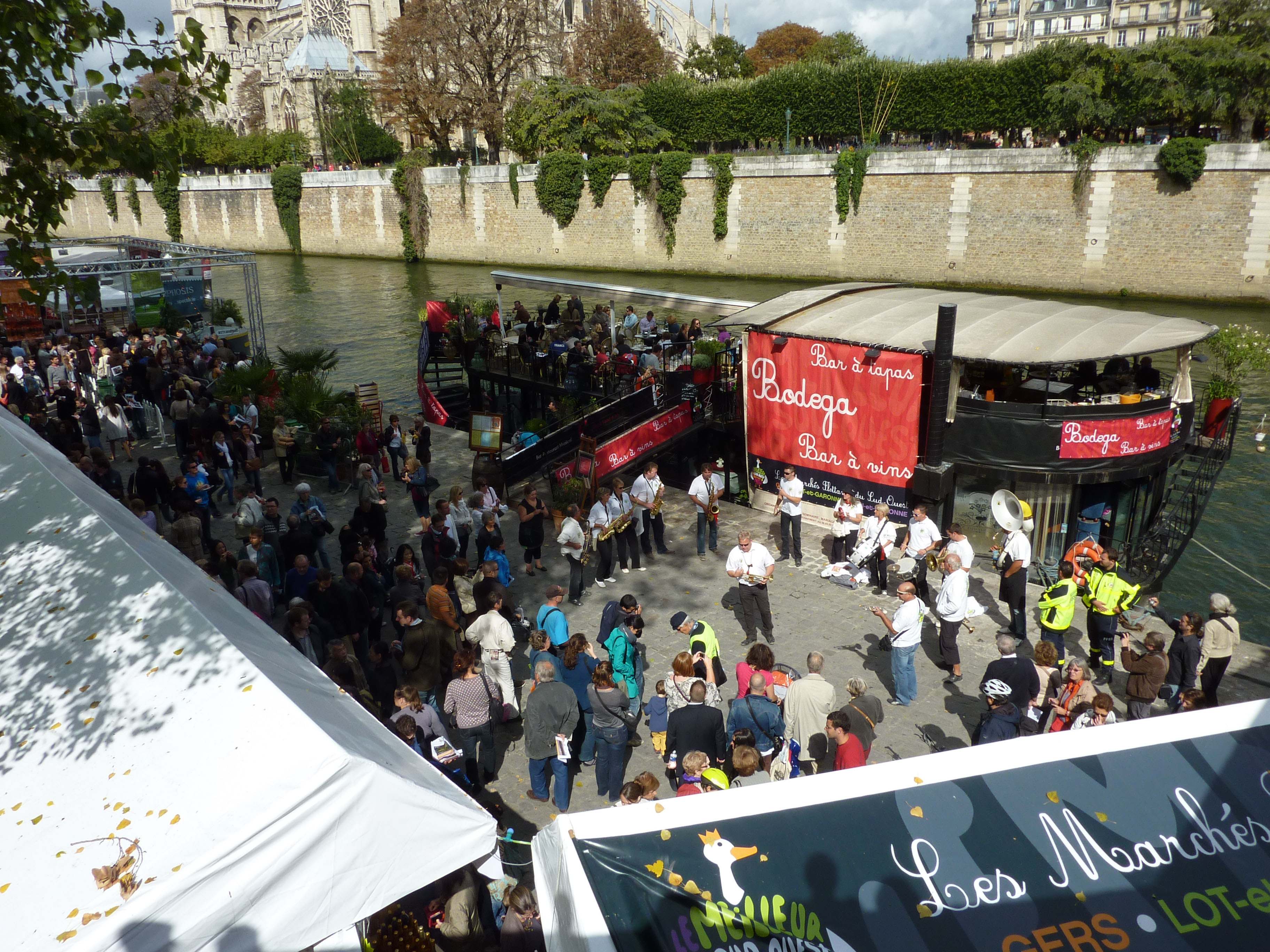
View of Marché Flottant and Brass Band from Bridge

View of Marché Flottant and Brass Band from Bridge
Photo by www.DiscoverParis.net

On the weekend of September 16 – 18 an event called Les Marchés Flottants du Sud-Ouest was held at quai Montebello, a quay that lies across the river from Notre-Dame Cathedral. Over fifty food producers from southwest France were there, displaying their products and offering them for tasting and for sale. Three French administrative départements were represented: Gers, Lot-et-Garonne, and Tarn-et-Garonne. It was an excellent occasion for tasting some of France’s regional produce!

I did not get there until early Sunday afternoon, but nonetheless arrived at a good time. Stopping at pont de l’Archevêché, a bridge that overlooks the quay, I watched and listened to the brass band Beni Can Podi playing like there was no tomorrow. This link to their tune Il a fait de la moto will give an idea of their music. I watched them for the longest time!

Beni Can Podi Brass Band

Beni Can Podi Brass Band
Photo by www.DiscoverParis.net

From the bridge I could see that the market was not floating as its name would suggest, but rather was on dry land. In spite of this disappointment, I resolved to find the stairway leading down to the quay so that I could join the festival.

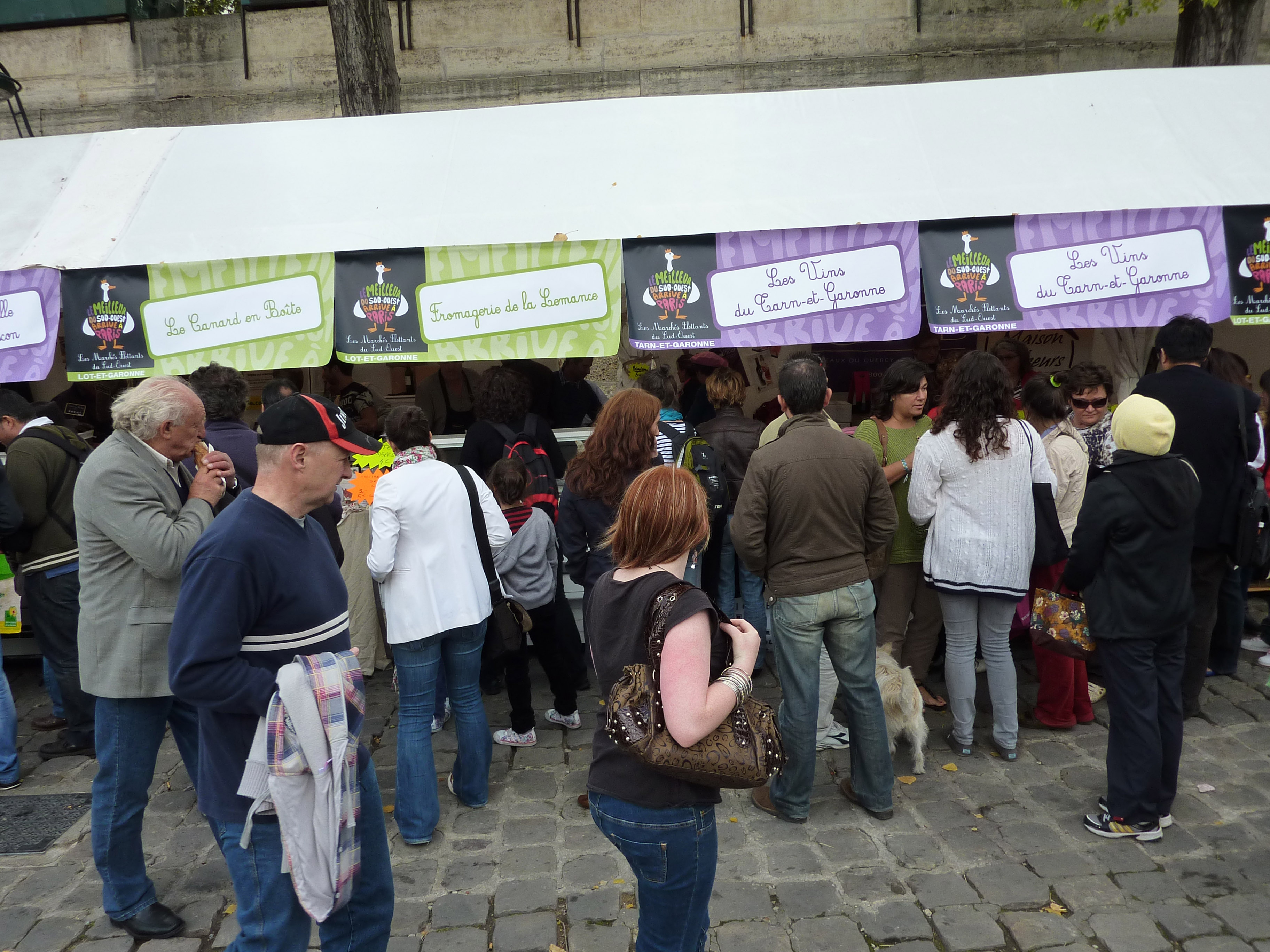
When I arrived, I could see tents set up along the quay where the producers were displaying their products. Although there were lots of people milling about, it was fairly easy to move from one stand to another. I was surprised about this, because these kinds of events can attract a big crowd, making it difficult to progress.

People at the Stands

People at the Stands
Photo by www.DiscoverParis.com

I came upon Glosek Gourmet, which sold desserts from Gascony including babas, canelés, and crêpes all soaked in syrup made from sugared Armagnac. What a great idea! I decided then and there to start my lunch with dessert and purchased a plate of the confections for 2€. A good price for three sweet treats!

Baba Gascon

Baba Gascon
Photo by www.DiscoverParis.net

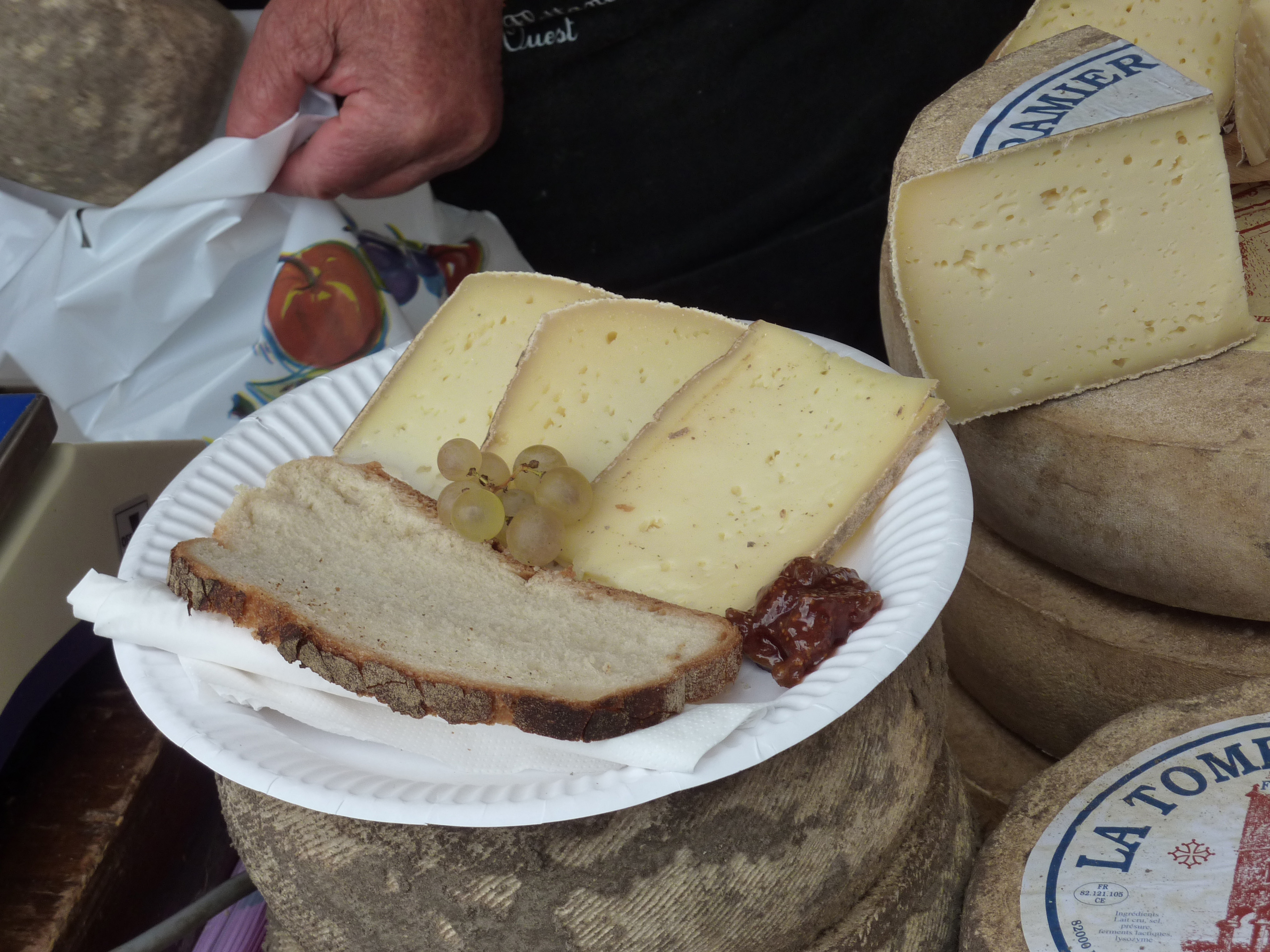
Next, I came upon cheese producer Tome du Ramier selling (and offering tastings of) two kinds of cheeses: Ramier Roux and Tome du Ramier, both made from raw cow’s milk. Ramier Roux is a soft, slightly sweet cheese and Tome du Ramier is a rustic cheese with a strong flavor. I ordered a tartine (not pictured) made of the latter for 2€. It was a country-style, open-faced sandwich consisting of a slice of cheese atop a thin slice of bread. A hearty snack!

Assiette Dégustation

Assiette Dégustation
Photo by www.DiscoverParis.net

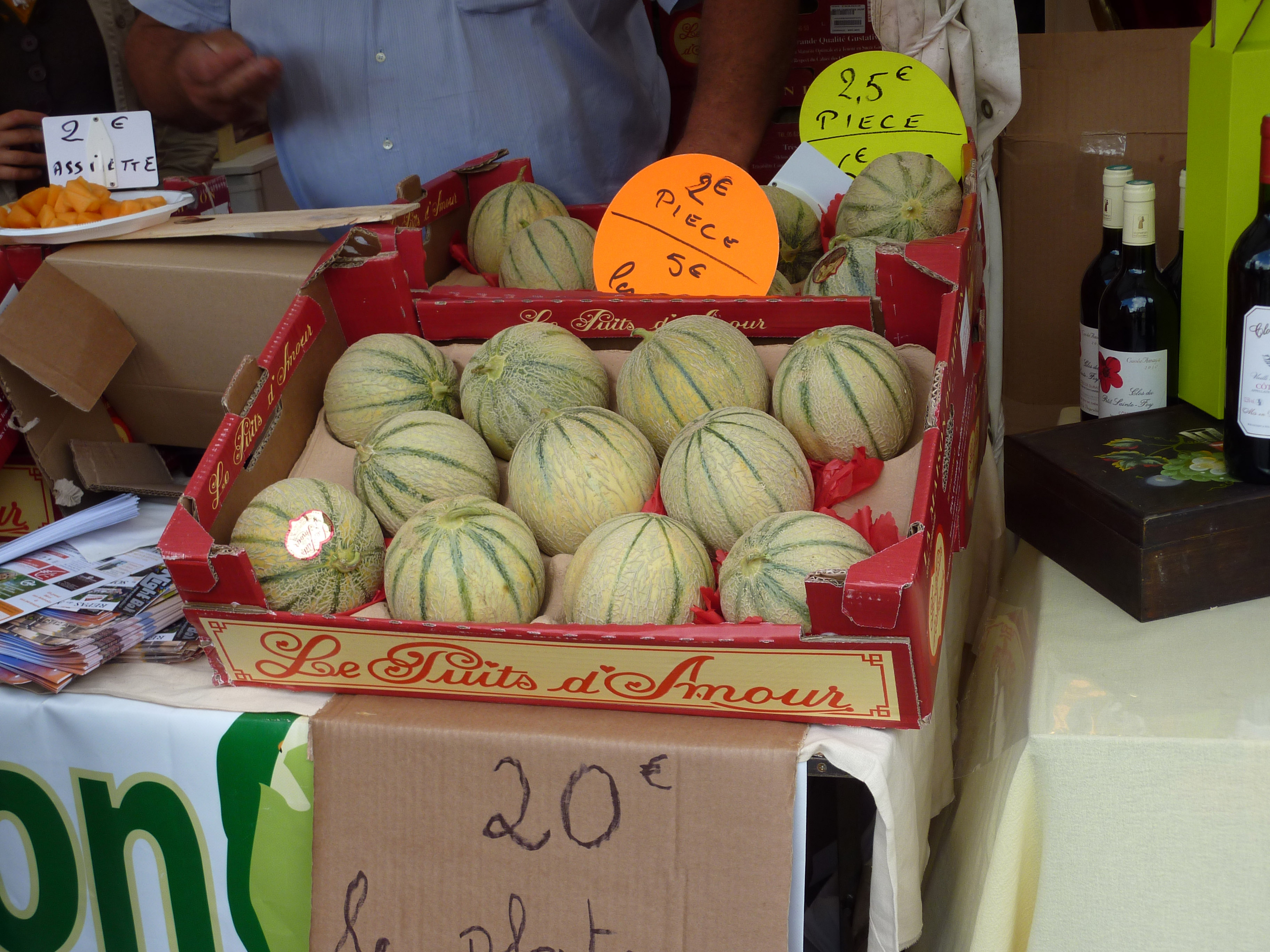
Then I came upon the stand Melon de Lectoure, selling beautiful melons called Les Puits d’Amour. I purchased a plate of diced melon for 2€ and enjoyed the orange-colored flesh that seemed similar to cantaloupe but was sweeter and juicier. Food always tastes better when you are in Paris!

Le Puits d'Amour

Le Puits d'Amour
Photo by www.DiscoverParis.net

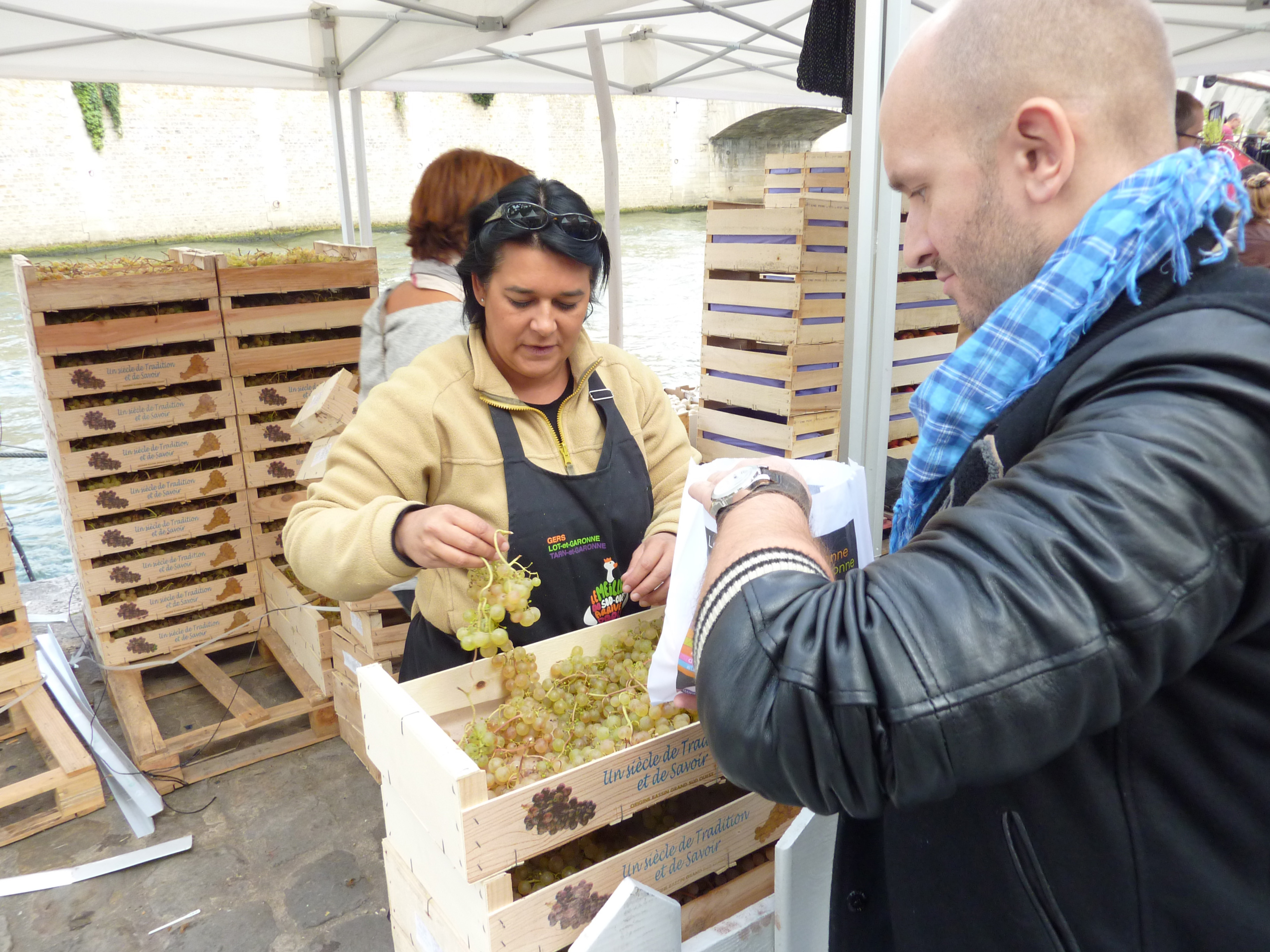
Following this wonderful meal, I got in line for a free distribution of fruit from the region. The queue was long, but it moved quickly. I received a bag full of produce containing two bunches of grapes (probably Chasselas), four apples (they looked and tasted like Pink Lady), and two bulbs of garlic.

Distributing Grapes

Distributing Grapes
Photo by www.DiscoverParis.net

People sat all along the quay drinking wine and enjoying the food that they had purchased. It was a perfect day for a picnic!

Picnic on the Quay

Picnic on the Quay
Photo by www.DiscoverParis.net

* * * * * * *

We participate in Wanderfood Wednesdays. Head over there to explore food from around the world!

Like our blog? Join us on Facebook!
The Floating Market of Paris